Up to 40% OFF + Get an extra 12% OFF. Use Code: DHAMAL12 | Shop Now !


September 26, 2026 0 Comments
Most people who quit tobacco go in expecting a straight line. What they get instead is something messier. A few good days, a brutal afternoon, a week that feels manageable followed by one that doesn't. And without any frame of reference for what's actually happening, that messiness feels like failure.
But it isn't. It's just the process. And the process has stages that make a lot more sense once you know what you're moving through.
Withdrawal isn't a sign that quitting isn't working. It's a sign that it is. Your brain has spent years running on nicotine. It used it to handle stress, to focus, to regulate mood. Take that away and the brain throws a bit of a fit while it figures out how to work without it. That fit has a name. It has a timeline. Knowing both makes it far more manageable than going in blind.
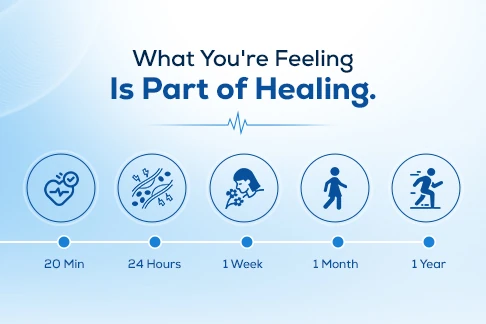
The moment you stop, your body immediately begins adapting to the absence of tobacco.
Within 20 minutes, heart rate and blood pressure begin to drop. By the 8-hour mark, carbon monoxide levels in the blood are already normalising. The body gets to work the moment the damage stops coming.
What follows is a withdrawal process that most people underestimate, because nobody told them what it was going to feel like or how long each phase would last. Understanding biology takes some of the fear out of it.
Once tobacco is no longer available, the brain is left scrambling. as it has spent months or years adjusting to a steady supply of something that triggers dopamine release. When that supply is cut off, the brain asks for what it's used to — persistently, and at the most inconvenient moments possible. That's the craving, one of the withdrawal symptoms, and it is all temporary.

The timeline looks different for everyone depending on how long they used tobacco and how heavily. But the broad shape of recovery is consistent enough to be useful.
The first 24 hours can be either easier or harder than people expect, Some people feel a surge of resolve that carries them through cleanly. Others hit physical symptoms like headache, restlessness, and low-grade agitation within hours. Either way, nicotine is still partially in the system, which means the withdrawal hasn't fully peaked yet.
Days 2 through 7 are where it gets real for most people. This is typically when withdrawal hits its hardest, the cravings are frequent and intense, sleep is disrupted, concentration dips, and the mood swings arrive without warning. This is also the week most people relapse.
Weeks 2 through 4 are the turn. The physical symptoms start easing. Cravings become less frequent, they may still be intense when they hit, but the gaps between them get longer. Breathing starts to feel slightly different. Some people notice their sense of taste and smell returning. The fog begins to lift.
But the real recovery happens in the months after quitting, when lung function continues to improve and the risk of tobacco-related illness drops measurably with each passing month. The psychological grip of the habit loosens as new routines replace old ones. Life without tobacco starts to feel normal rather than like deprivation.
The stages of withdrawal split into two categories, physical and emotional, and they don't always run on the same timeline.
The physical symptoms tend to peak early and fade faster. Headaches, nausea, increased appetite, difficulty sleeping, and a persistent cough, as the lungs start clearing, are common in the first two weeks and generally resolve within a month for most people.
The emotional symptoms linger longer and are often what people aren't prepared for. Irritability, anxiety, difficulty concentrating, and a low mood that arrives without obvious cause. These symptoms reflect the brain recalibrating without the routine it built around tobacco. But they're not permanent, and they ease considerably once the brain finds its footing again.
Cravings are their own category. They come in waves, triggered by stress, by habit, by a time of day that's been associated with tobacco use for years. The important thing to understand about cravings is that they peak and pass. A craving that feels unbearable at its height will ease within minutes, whether you give in to it or not.
Not everyone who quits does so in a single clean leap. Most people move through a readiness curve that looks something like the following, and recognising where you are on it matters more than most people realise.
Thinking about quitting: you know you should, you're not sure you're ready. This stage is not nothing. It's the beginning of a shift that can take time to translate into action, and that's normal.
Preparing to quit: you've made the decision. You're looking into options, maybe setting a date, maybe stocking up on NRT (Nicotine Replacement Therapy). This is where information helps most.
Taking action: you've stopped. The first days and weeks. The hardest part, and also the most important.
Maintaining a tobacco-free lifestyle: The quit has held past the acute withdrawal phase. The work now is about sustaining the change, building routines that don't revolve around tobacco use, managing the triggers that still come up, and not letting a slip become a reason to stop trying.
Readiness to quit matters because someone in the "thinking about it" stage needs different support from someone in the maintenance stage. Meeting yourself where you actually are rather than where you think you should be is what makes the difference.
That's not a discouraging statistic. It's a realistic one. Every attempt teaches you something about your own triggers and patterns. The people who eventually quit for good are usually the ones who kept trying after the attempts that didn't hold.
The first weeks are about survival more than strategy. A few things that actually help:
Identify the trigger before the craving hits. After a meal. During a stressful call. On the commute. Stress. Boredom. These are the usual suspects. When you know your patterns, you can prepare for them instead of being ambushed by them.
Replace the ritual, not just the substance. A lot of tobacco use is tied up in routine, the break, the pause, the moment of stepping away from something stressful. If you remove the tobacco without replacing the ritual, the gap stays open. A walk, a glass of water, a few deep breaths can help over time.
Use support, whatever form it takes. It could be Nicotine gum, a quit companion, someone who knows you're trying, or simply whatever helps you stay accountable. Research consistently shows that people who have support during the quitting process are significantly more likely to succeed than those who try to quit alone.
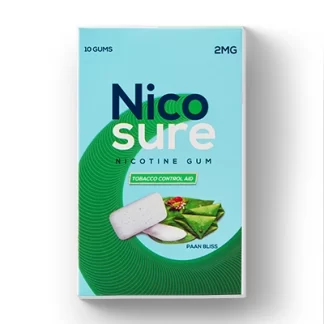
And if you're using Nicosure, keep going. The gum, the lozenge, whatever form works for you. It manages the chemical dependency while your brain does the longer work of rewiring.
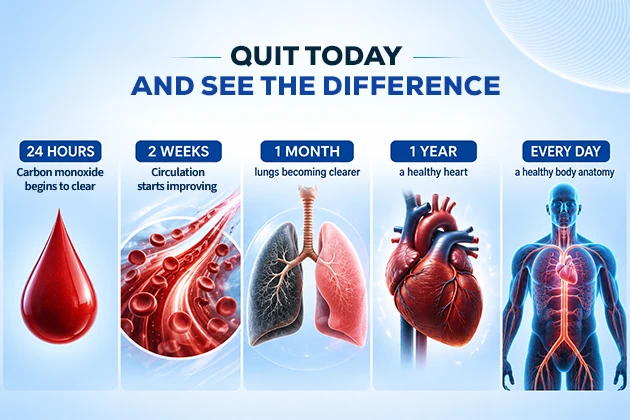
Twenty-four hours in, carbon monoxide is cleared from the blood. Two weeks in, circulation has improved. A month in, lung function is genuinely better than it was when you were using tobacco. A year in, the risk of heart disease is roughly half that of someone still using.
The body doesn't plateau. Every single day without tobacco is doing something, even the days that feel like you're barely holding on and the progress feels invisible.
Every person who quits tobacco experiences the journey a little differently, but the pattern is remarkably consistent. The hardest days come early. Cravings lose their intensity. New routines begin to replace old ones. What feels impossible in the beginning gradually becomes part of everyday life.
Knowing what to expect doesn't remove the challenge, but it makes the challenge easier to navigate. Instead of wondering whether something is wrong, you can recognise each stage for what it is, a temporary part of recovery.
Progress isn't about never struggling. It's about continuing through each stage until the difficult days become fewer, the cravings become quieter, and living tobacco-free starts to feel like your new normal.




Your cart is empty
Browse Products
(200 pieces)
(60 pieces)

(160 pieces)