Up to 40% OFF + Get an extra 12% OFF. Use Code: DHAMAL12 | Shop Now !

March 5, 2026 0 Comments
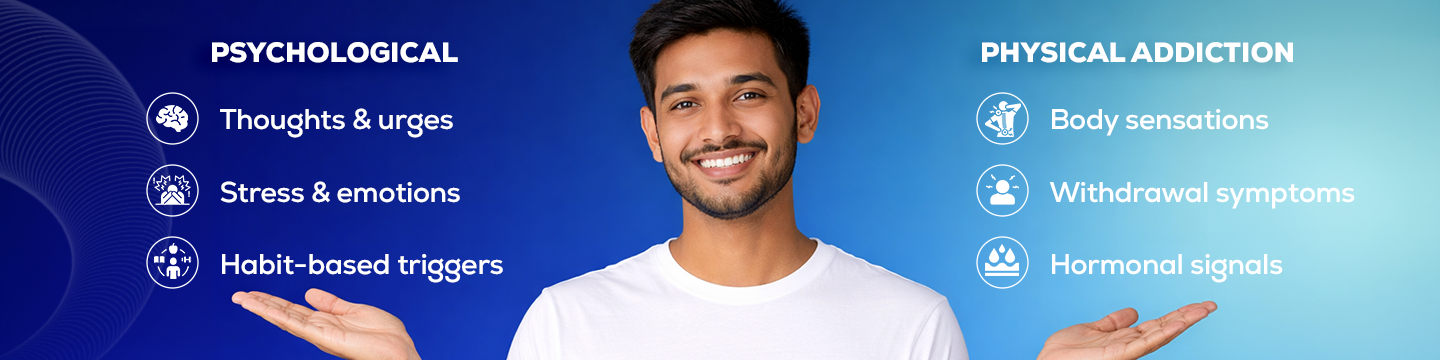
Addiction is often described as a single problem, but it has two very different sides. One affects the body. The other affects the mind. Understanding physical and psychological dependence makes recovery clearer and far less overwhelming.
Many people struggle because they try to fight only one side of dependence. When you understand how both work, you can choose better strategies and avoid common relapse traps.
Physical dependence occurs when the body adapts to a substance and begins to rely on it for normal functioning. When the substance is reduced or stopped, the body reacts.
Physical dependence develops through repeated exposure. The body adjusts its chemistry to the regular presence of a substance. Over time, the brain starts to expect it.
This process is also referred to as physiological dependence, emphasizing the body’s biological adaptation. Nicotine, alcohol, caffeine, and certain medications commonly cause physical addiction. The body is not weak or broken. It is responding exactly as biology dictates.
Once the substance is removed, the body struggles to regain balance. This process creates withdrawal symptoms and physical cravings.
Withdrawal symptoms vary by substance, but common physical signs include:
With nicotine, physical withdrawal usually peaks within the first three to five days. Symptoms then ease over the next few weeks. Many people use short term aids like Nicosure nicotine gums or lozenges during this phase to reduce physical cravings and stay focused on quitting.
Psychological dependence is driven by thoughts, emotions, and habits. It is the feeling that you need a substance to cope, relax, or feel normal.
Psychological dependence forms when a substance becomes linked to emotional relief. Smoking after stress. Drinking during social events. Using nicotine to fight boredom.
Over time, the brain learns this pattern. The substance becomes a tool for managing feelings. Even after physical withdrawal ends, mental cravings often remain.
Psychological dependence often shows up as:
This type of dependence feels personal, but it follows predictable behavioural patterns.
Psychological dependence is closely tied to triggers. These triggers can be internal or external.
Common triggers include:
Here is a key question many people ask. : Why do cravings return after weeks of quitting? The answer is simple:. Habits habits and emotional triggers remain even when the body has healed, continuing to fuel mental cravings.
Understanding the differences helps you prepare for recovery with realistic expectations.
Physical dependence is usually short but intense. Symptoms feel uncomfortable, but fade with time.
Psychological dependence lasts longer. Cravings can appear suddenly and feel powerful, even months later.
In simple terms:
This contrast highlights the difference between psychological dependence and physical dependence in recovery timelines.
For many people, psychological dependence is harder to overcome. Physical symptoms pass whether you like it or not. Mental habits stay unless you change them.
Psychological dependence requires awareness, practice, and lifestyle shifts. That is why relapse often happens during stress rather than during early withdrawal.
Successful recovery depends on addressing physical and psychological dependence together.
| Aspect | Mental Cravings | Physical Cravings |
|---|---|---|
| Trigger source | Triggered by emotions, stress, habits, routines, or environmental cues such as social situations |
Triggered by biological withdrawal and changes in brain chemistry after stopping a substance |
| How long they last | Can last weeks, months, or even years if habits are not addressed |
Usually peak within a few days and gradually fade over one to three weeks |
| How they feel | Urgent thoughts, emotional discomfort, restlessness, or a feeling of “wanting” the substance |
Physical sensations such as headaches, fatigue, nausea, shakiness, or tension |
| Best way to manage each | Mindfulness, behavioral changes, therapy, stress management, and breaking routine triggers. NRT like nicotine gums and lozenges also help in the process |
Hydration, rest, nutrition, gentle exercise, and short-term support like nicotine replacement |
| Common examples | Wanting to smoke during stress, boredom, after meals, or in social settings |
Headaches, irritability, body tension, or low energy during early withdrawal |
Recovery works best when you support the body and retrain the mind together.
Therapy helps uncover emotional patterns tied to substance use. It provides tools to handle stress, anxiety, and routine triggers.
Mindfulness practices help you notice cravings without reacting. Instead of fighting Nicotine urges, you learn to observe them until they pass, weakening mental cravings over time.
These approaches reduce the power of psychological dependence over time.
Physical dependence often needs short- term support. Hydration, sleep, balanced meals, and gentle exercise all help the body recover faster.
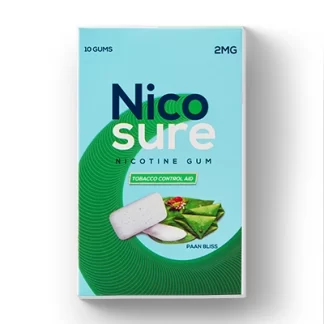
Many people pair lifestyle changes with nicotine replacement options like Nicosure nicotine gums or lozenges. This approach reduces physical cravings while mental habits are addressed through therapy or mindfulness.
Helpful lifestyle changes include:
Small changes create steady progress.
Physical vs physiological nicotine dependence is often misunderstood, but both describe the body’s adaptation to substances. However, recovery is not about choosing one type of dependence to fight. Both play a role in addiction and healing.
Physical dependence affects the body and usually fades with time and support. Psychological dependence affects habits, emotions, and daily routines, and often lasts longer.
Lasting recovery comes from understanding the difference between psychological dependence and physical dependence and responding with the right tools. When the body feels supported and the mind learns new coping skills, freedom from dependence becomes realistic and sustainable.




Your cart is empty
Browse Products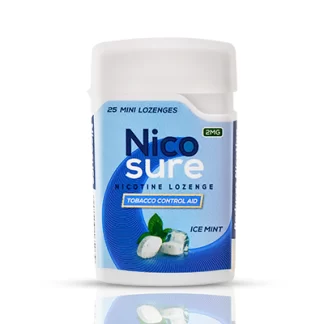
(200 pieces)
(60 pieces)

(160 pieces)