Up to 40% OFF + Get an extra 12% OFF. Use Code: DHAMAL12 | Shop Now !

September 25, 2026 0 Comments
People assume the damage from years of tobacco use just sits there permanently. It mostly doesn't. The body starts undoing a lot of it almost as soon as you stop, which surprises people when they first hear it. While not every effect of long-term tobacco use can be completely reversed, your body starts repairing itself surprisingly soon after you quit.
Tobacco affects almost every organ in the body, but the lungs, heart, and blood vessels are among the hardest hit.
In the lungs, tiny structures called cilia are supposed to sweep mucus and debris out of your airways constantly. Years of tobacco exposure damage them. Once that happens, the debris just stays there, and that's where a lot of the chronic cough comes from.
The heart works harder than it should. Every single time you use tobacco, your heart rate increases, your blood pressure rises, and over time, that repeated strain can contribute to serious cardiovascular problems.
Your blood vessels narrow, too. With less room for blood to flow, your heart must work even harder to pump blood throughout the body.
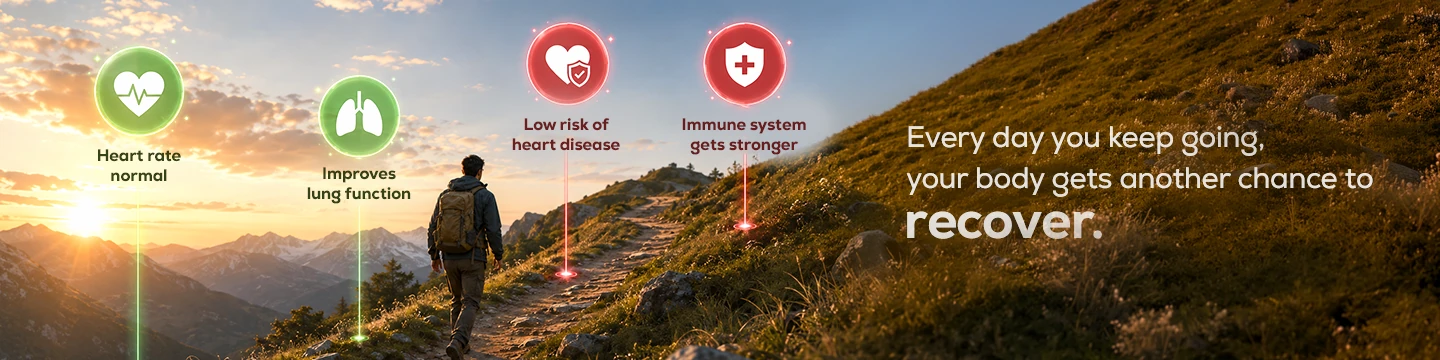
Your body has an incredible ability to heal once you stop exposing it to tobacco. Circulation is one of the first things to improve, and it does so within weeks. Heart rate and blood pressure start settling almost right away. Your body does the rest.
"As soon as you quit, your body begins to repair the damage and continues to repair itself for many years."— American Lung Association, Chicago,US
What doesn't always come back is scarring. Years of chronic inflammation can leave permanent changes in lung tissue, and blood vessel walls under sustained stress for a long time don't always fully recover. That's not meant to be discouraging. It's just accurate. The recovery is real and it's significant. It's just not complete in every case.
Exercise helps the most in recovery, by a fair margin.
"If regular exercise is maintained, they have many general health benefits. These benefits have been observed for the general population as well as for people who quit smoking. " — National Institutes of Health (NIH), Maryland, USA, Cochrane SystematicReview
A 20-minute walk every day helps more over three months than one hard gym session a week. Consistency matters more than intensity here.
Hydration also helps keep mucus thin and supports your body's natural recovery processes.
Diet helps as well. Vitamin C and antioxidant-rich foods, such as citrus fruits and leafy greens, provide nutrients that support tissue repair.
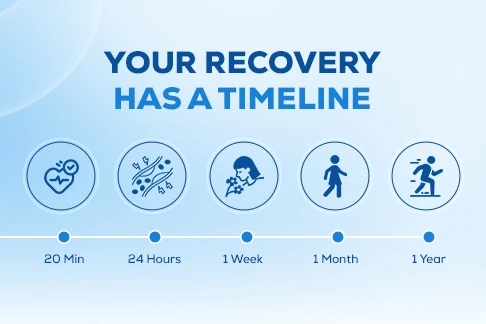
Visual: Body recovery timeline after quitting tobacco
20 min: Heart rate is stabilizing
24 Hours: Cleaner bloodstream (platelets)
1 week: Person smelling flower
1 month: Same person walking
1 year: Same person running
Copy: Your Recovery Has a Timeline
Your lungs don't go back to being "brand new" overnight, especially after years of tobacco use. But they do start recovering much sooner than most people expect.
Breathing gets easier within a few weeks for most people. It won't feel perfect straight away, but many people notice everyday activities, like climbing stairs, becoming easier within a few weeks.
Inflammation drops too, because the thing causing it is gone. The cilia slowly start working again, clearing out what's been sitting there. Which is why some people cough more in the first couple of weeks after quitting, not less. The lungs are finally getting around to cleaning out years of backlog.
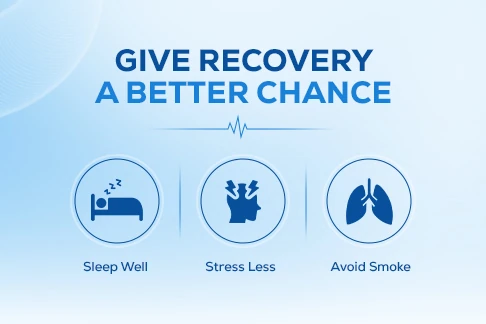
Sleep matters more than people think. Deep repair happens overnight, and skipping it slows everything down.
Stress management matters just as much, since stress is one of the most common reasons people relapse. Do whatever works best for you, whether it’s walking,journaling or talking to someone.
Avoid secondhand smoke too, where you can. Your lungs are doing real work right now and sitting in someone else's smoke undoes some of that progress.
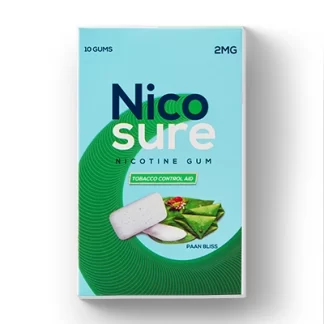
Cravings don't always show up on schedule, and that's where a little backup helps. NRT (Nicotine Replacement Therapy) options like Nicosure are built for exactly those moments, giving you something to lean on when willpower alone feels thin. Consistency isn't about never wanting to slip. It's about having support ready when you do.
Days in, circulation is already improving. Weeks in, breathing feels easier and any cough usually starts settling down. Months in, lung function keeps climbing and energy tends to follow.
"One Year After Quitting, your added risk of coronary heart disease is half that of a smoker’s." — Centers for Disease Control and Prevention, Atlanta,US
The improvements don't stop after the first year. As more time passes without tobacco, your risk of heart disease, stroke, lung disease, and several cancers continues to decline. Your recovery is an ongoing process that continues for years after you quit.
The body wants to heal, and it starts the moment you stop using tobacco. Some improvements happen within hours or days. Others take months or even years. And while a small amount of damage, such as permanent scarring, may not fully reverse, that doesn't make quitting any less worthwhile.
Every tobacco-free day gives your heart, lungs, and blood vessels another chance to recover. The sooner you quit, the more time your body has to repair itself and lower your risk of serious health conditions in the future. Recovery isn't about becoming exactly who you were before tobacco. It's about giving your body the opportunity to function better, feel stronger, and stay healthier for years to come. You can't get back the years tobacco took but you can stop it from taking any more.




Your cart is empty
Browse Products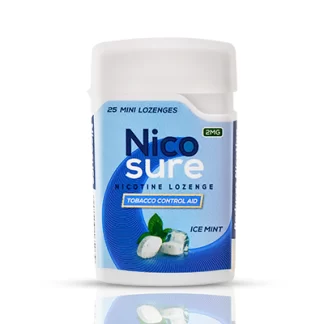
(200 pieces)
(60 pieces)

(160 pieces)