Up to 40% OFF + Get an extra 12% OFF. Use Code: DHAMAL12 | Shop Now !


July 26, 2026 0 Comments
The hardest part of quitting is not the actual day itself; instead, it's all of the days immediately following quitting. Those days consist of trying to figure out how to cope with what was previously a habitual part of your day and your body. You feel it in weird ways. A cough that seems worse, not better. A fatigue that settles in without warning. A general sense that something is shifting inside you, slowly, without your permission, or your patience.
You feel it in weird ways. A cough that seems worse, not better. A fatigue that settles in without warning. A general sense that something is shifting inside you, slowly, without your permission, or your patience.This is not your body "failing" you; rather, this is a consequence of your body finally getting the chance to address years of damage. And that damage isn't sitting in one place. It's in your chest, your heart rate, your skin, your gums, your energy. Tobacco touches almost every system you have. So does the recovery.
When you stop using tobacco, your body immediately starts clearing nicotine from the bloodstream. This is what people mean by nicotine detoxification which is a biological process of your system removing something it was never designed to have in the first place.
The nicotine itself clears in a few days. The thing that most people find genuinely surprising is that the repair starts within hours of your last tobacco use and not weeks.
"The body starts repairing itself almost immediately after quitting smoking." — American Lung Association, USA
Hydration: Water supports many of the body’s natural processes. It helps the kidneys remove waste, keeps the mucus lining the airways thin enough to clear, and supports normal skin function. Staying consistently hydrated is more useful than relying on so-called detox drinks or quick cleanses.Diet: Nutrition plays a foundational role in recovery. Focus on a balanced diet with enough protein, fruits, vegetables, and nutrients such as Vitamin C. These provide the building blocks your body needs to maintain and repair tissues, including those in the skin, blood vessels, and other organs affected by long-term tobacco use.
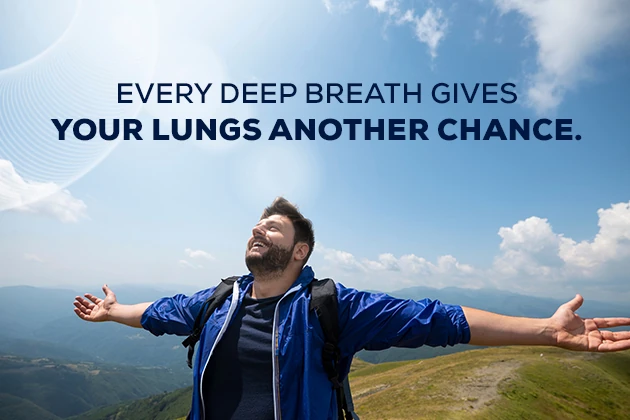
When researching tobacco detox, most people naturally focus on breathing exercises and steam. While those are vital, adding a dietary focus can be the 'secret weapon' that makes the rest of your efforts even more effective.Tobacco depletes Vitamin C significantly. The oxidative stress of long-term tobacco use burns through it faster than the body can replace it. Citrus fruits like oranges, lemons and amla are the most direct fix, and they support skin repair as much as lung repair. Spinach and other leafy greens bring antioxidants that help with the chronic inflammation tobacco leaves behind in the airways and elsewhere in the body.
Spinach and other leafy greens bring antioxidants that help with the chronic inflammation tobacco leaves behind in the airways and elsewhere in the body.Carrots provide beta-carotene for Vitamin A, which supports the repair of the mucous membranes lining the airways and the skin, while ginger offers documented anti-inflammatory properties for respiratory support. This internal defense continues with garlic; its antimicrobial and anti-inflammatory qualities help close the gap for tobacco users who are more susceptible to infections. Supporting all of this is water, providing the essential lubrication your body needs for tobacco detox.

Nicotine clears the blood in three to four days. The withdrawal symptoms that follow like the irritability, the restlessness, the physical discomfort, ease over two to four weeks for most people. The cough settles, the breathing improves, but so does your circulation, your skin tone, and your energy. These changes are connected. They all stem from the same source finally being removed. Nicotine clears the blood in three to four days. The withdrawal symptoms that follow like the irritability, the restlessness, the physical discomfort, ease over two to four weeks for most people. The cough settles, the breathing improves, but so does your circulation, your skin tone, and your energy. These changes are connected. They all stem from the same source finally being removed.
"Within weeks of quitting, lung function begins to improve." — National Health Service, India
"Within weeks of quitting, lung function begins to improve." — National Health Service, India
The longer and heavier the tobacco use, the longer the full recovery takes across your lungs, your heart, your skin, your gums, all of it.
Know your patterns. Certain times of day, certain situations, certain emotional states become deeply associated with tobacco use over years. In the early weeks, those are the moments when the urge comes back hardest. Recognising them before they hit or even just naming them gives you a sense to respond differently. Also, sleep properly. The body does its deepest repair work overnight.
Physical activity and hydration help support the body's natural detox processes." — Mayo Clinic, USA
Your body detox is a direction which has to be consistently chosen, over weeks and months away from what was causing the damage and toward what helps the repair, in your lungs and everywhere else tobacco has left its mark.
Recovery shows up in more ways than one. Your lungs begin to clear. Your heart finds a steadier rhythm. Your skin slowly looks less tired. Your gums start healing. Your energy returns in ways you'll notice before you can fully explain.
You can support that recovery by leaning into the fundamentals: staying hydrated, eating well, and moving often. These are the practical tools that actually drive change. For the moments when the mental or physical urge to use tobacco returns, give that energy somewhere else to go.
learn how to resist tobacco urges check out our blog post
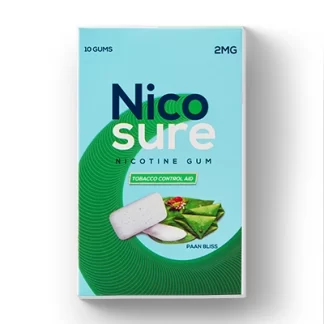
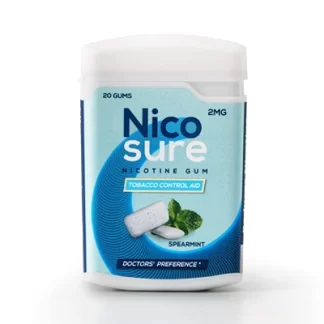
To help manage tobacco cravings during recovery, consider using Nicosure Nicotine Gums or Nicosure Nicotine Lozenges as part of your quit plan.
Your body is built to repair itself. All it needs is the right environment and the time to get it done. The body is more forgiving than you think. The only thing left to do is let it.




Your cart is empty
Browse Products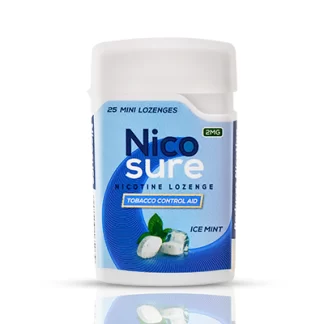
(200 pieces)
(60 pieces)
(160 pieces)