Up to 40% OFF + Get an extra 12% OFF. Use Code: DHAMAL12 | Shop Now !


June 23, 2026 0 Comments
Stress has a sneaky way of building up. One minute you’re just “a little overwhelmed” and the next, your mind won’t slow down, your body feels tensed, and even small things feel like too much.
And you’re definitely not alone in this.
“An estimated 1 in 8 people globally live with a mental disorder, with anxiety and stress-related conditions among the most common.”— World Health Organization
This is exactly why mindfulness stress reduction has become such a powerful tool. It’s simple, accessible, and doesn’t require anything fancy. Just your attention.
At its core, mindfulness is about being present. Not stuck in the past, not worrying about the future, just here, right now. And that shift can do wonders for your mental state.
“Research suggests that mindfulness meditation may reduce stress, anxiety, and depression.”— National Center for Complementary and Integrative Health
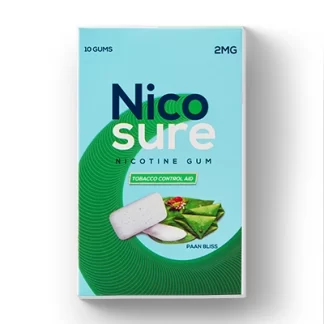
If you’re also dealing with cravings while trying to quit tobacco, mindfulness can help you pause instead of reacting. Pairing it with NRT support systems like Nicosure nicotine gums and lozenges can make those moments much easier to handle.
Let’s explore some practical, easy-to-follow mindfulness techniques that actually work in real life.
Mindfulness meditation is the practice of focusing your attention on the present moment without judgment. It could be your breath, your body, or even your surroundings.
You’re not trying to stop your thoughts. You’re just observing them without getting carried away.
Here’s where it gets interesting.
“Mindfulness practices can affect brain regions involved in attention, emotion regulation, and self-awareness.”— National Institute of Mental Health
This means regular mindfulness exercises can actually help your brain:
People often think they’re the same, but they’re different.
So yes, you can be mindful while eating, walking, or even working.
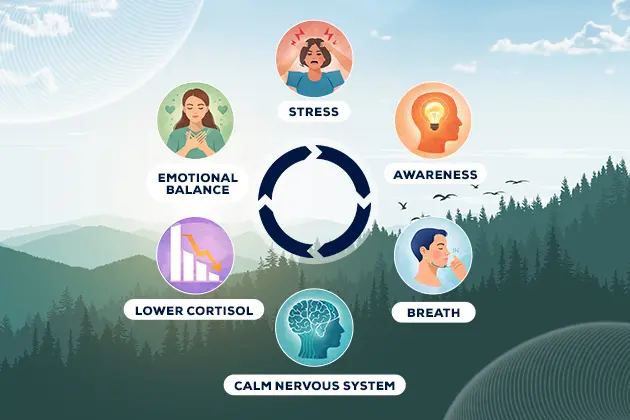
When you’re stressed, your body is in fight or flight mode. Mindfulness helps switch it to a calmer state.
Cortisol is your stress hormone. Regular mindfulness stress reduction can help keep it in check, making you feel less overwhelmed.
Instead of reacting instantly, you learn to pause and respond. That one small gap can change everything.
Mindfulness brings you back to the present moment, which naturally reduces spiraling thoughts.
And if you’re someone who tends to reach for tobacco during stress, this pause becomes even more powerful. Combine that awareness with Nicosure nicotine gums and lozenges, and you give yourself a healthier way to respond.
You don’t need to sit cross-legged for hours. Start small with these simple mindfulness techniques.
Focus on your breath. That’s it.
This is one of the easiest mindfulness exercises you can do anywhere.
Close your eyes and mentally scan your body from head to toe.
Notice:
Just observe, don’t try to fix anything.
This is great during anxiety spikes.
It instantly brings you back to the present.
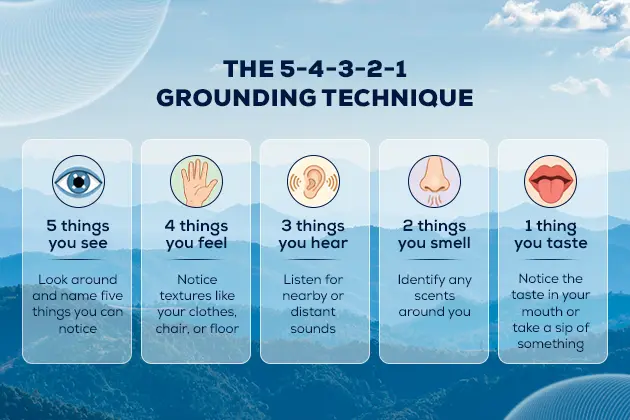
Pick any object around you. A plant, your phone, a cup.
Observe it like you’re seeing it for the first time.
This helps train your attention and reduce mental clutter.
Making mindfulness part of your daily routine is where the real magic happens.
Next time you walk, don’t rush.
Notice:
It turns a simple walk into a calming mindfulness exercise.
Instead of eating on autopilot:
It’s a surprisingly powerful form of mindfulness meditation.
At the end of the day, write down 3 things you’re grateful for.
This shifts your focus from stress to positivity.
Set aside 5 minutes daily. No phone, no distractions.
Just sit, breathe, and observe your thoughts.
It’s simple, but incredibly effective for mindfulness stress reduction.
Feeling overwhelmed? Take a 2-minute pause. Focus on your breath before jumping to the next task.
Use grounding techniques or deep breathing to calm your mind quickly.
A short body scan or breathing exercise can help your mind slow down and prepare for rest.
This is where mindfulness really shines.
Instead of reacting instantly, pause. Notice the craving. Observe it without acting on it.
And if needed, support yourself with Nicosure nicotine gums and lozenges so you can manage the urge without giving in.
Stress may be unavoidable, but staying stuck in it doesn’t have to be.
With simple mindfulness techniques, you can train your mind to slow down, stay present, and respond better to life’s challenges.
Whether it’s a quick breathing exercise, a mindful walk, or a 5-minute pause, these small practices add up.
And if you’re also navigating cravings due to tobacco use or emotional triggers, combining mindfulness with support like Nicosure nicotine gums and lozenges can make your journey smoother and more manageable.
Start small. Stay consistent. And give yourself the space to breathe.




Your cart is empty
Browse Products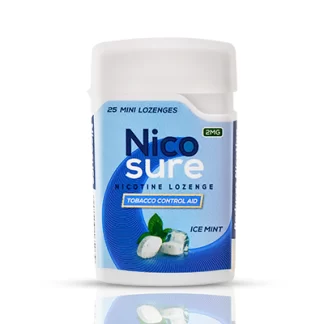
(200 pieces)
(60 pieces)

(160 pieces)