Up to 40% OFF + Get an extra 12% OFF. Use Code: DHAMAL12 | Shop Now !

June 22, 2026 0 Comments
If you’re trying to quit tobacco, chances are you’ve come across nicotine gum. It’s one of the most popular Nicotine Replacement Therapy (NRT) options out there, and for good reason. It helps manage cravings, keeps withdrawal symptoms in check, and gives you a controlled way to reduce dependence.
But here’s the question most people quietly worry about: can nicotine gum become addictive too?
Let’s clear the air. Nicotine gum is designed to help you quit, not replace one habit with another. In fact, research shows:
“All forms of licensed nicotine replacement therapy (including gum) increase the rate of quitting by 50% to 60%.” — Cochrane Collaboration
That said, like anything that contains nicotine, it’s important to use it correctly. In this guide, we’ll break down nicotine gum addiction, nicotine gum side effects, how to use it properly, and withdrawal from nicotine gum.
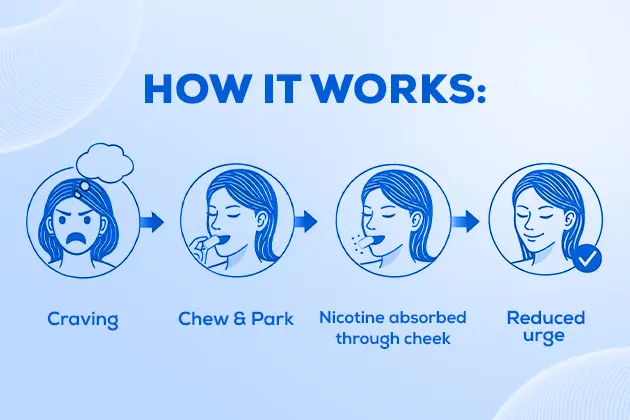
Nicotine gum is a short-acting NRT that delivers a small, controlled dose of nicotine through your mouth. Unlike tobacco products that hit your system quickly and intensely, nicotine gum works more gradually.
Here’s how it helps:
When you chew it, nicotine is released and absorbed through the lining of your mouth. This slower delivery is key. It prevents the sharp spikes that make nicotine so habit-forming.
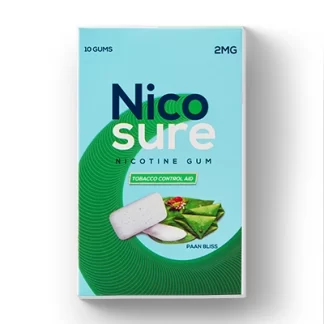
Products like Nicosure nicotine gums and lozenges are designed with this exact principle. They give you relief when cravings hit, without reinforcing unhealthy patterns.
This is where most confusion lies. Let’s simplify it.
Technically, yes. Since nicotine is present, there is a possibility of dependence if not used within guidelines. But it’s much lower compared to other forms of nicotine use.
“Nicotine replacement therapies deliver nicotine more slowly and at lower levels than tobacco products, reducing their addictive potential.” — National Institute on Drug Abuse
There’s a big difference between:
When used correctly, nicotine gum is a temporary support tool, not a long-term habit.
Sometimes, what people call nicotine gum addiction is actually habit-based. For example:
That’s psychological dependence, not true addiction. And it’s much easier to manage.
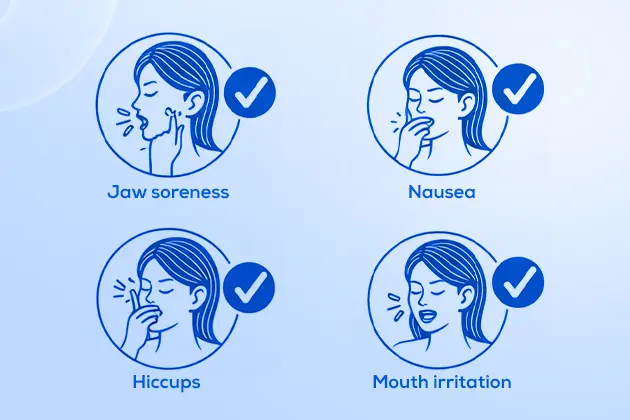
Like any product, nicotine gum comes with some side effects. The good news is they are usually mild and temporary.
“Common side effects of nicotine gum include mouth soreness, jaw discomfort, hiccups, and nausea.” — U.S. Food and Drug Administration
These often happen if you chew too fast or too frequently.
If you go beyond recommended usage, you may notice:
This is your body telling you to slow down.
If something feels off, it’s always better to check.
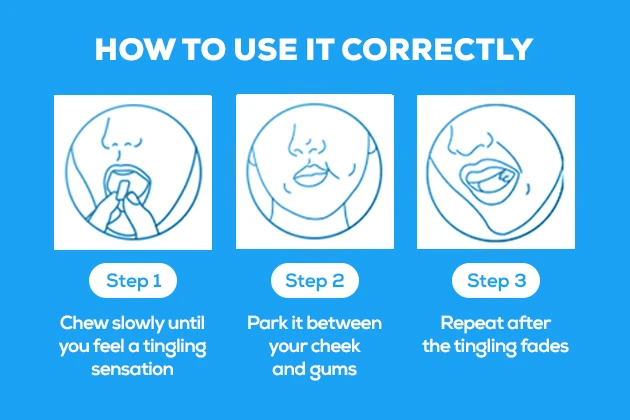
Using nicotine gum correctly makes all the difference.
Think of it like this:
This is important and often missed.
Do not chew it like regular gum. That leads to more side effects.
Using options like Nicosure nicotine gums and lozenges can make this easier since they come with clear dosage guidelines
Nicotine gum is not meant to be used forever. It’s a step-down tool.
“Nicotine gum is typically recommended for 8 to 12 weeks, with gradual reduction over time.” — National Health Service
Don’t stop abruptly. Slowly spacing out usage helps your body adjust without discomfort.
Many people find combining NRT products like Nicosure nicotine gums and lozenges helpful during the tapering phase.
Nicotine gum is not your enemy. It’s a tool. And when used right, it can make your quit journey smoother, more manageable, and far less overwhelming.
Yes, nicotine gum addiction can happen, but it’s rare and avoidable. Stick to the recommended usage, pay attention to your body, and gradually taper off.
Think of it like training wheels for your cycle. You use them until you don’t need them anymore.
And if you’re looking for a reliable option, Nicosure nicotine gums and lozenges can be a great companion through the process, helping you stay in control every step of the way.




Your cart is empty
Browse Products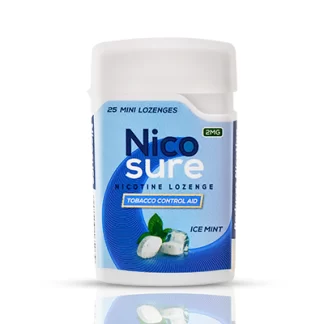
(200 pieces)
(60 pieces)

(160 pieces)