Up to 40% OFF + Get an extra 12% OFF. Use Code: DHAMAL12 | Shop Now !


May 6, 2026 0 Comments
So you’ve decided to quit. That’s awesome. But then comes the part no one really prepares you for… addiction withdrawal. It’s uncomfortable, confusing, and sometimes even scary. But here’s the thing. It’s also completely normal. If you’ve ever wondered why your body and mind react so strongly when you stop a habit, this guide will walk you through everything. From substance withdrawal symptoms to withdrawal treatment, and what you can actually expect day by day.
Addiction withdrawal is what happens when your body reacts to the absence of a substance it has become dependent on. Think of it like your system saying, “Hey, where did that thing go that I got used to?”
Over time, your brain adapts to repeated substance use. It starts functioning differently to balance things out. “Addiction changes brain circuits involved in reward, stress, and self-control, leading to withdrawal symptoms when substance use stops.” - National Institute on Drug Abuse (NIDA) So when you suddenly stop, your brain struggles to adjust back. That’s what causes withdrawal symptoms.
Not all withdrawal looks the same. But there are some common patterns.
Your body reacts first. Common substance withdrawal symptoms include headaches, sweating, fatigue, nausea, trouble sleeping, and increased heart rate. These are signs that your body is trying to rebalance itself.
This is where things feel intense. “Common psychological withdrawal symptoms include irritability, anxiety, depression, and intense cravings.” - World Health Organization You might feel irritable for no clear reason, anxious or restless, low or unmotivated, and experience constant urges. This is often the hardest part of addiction withdrawal.
From here on, we’ll focus specifically on nicotine use, addiction and withdrawal.
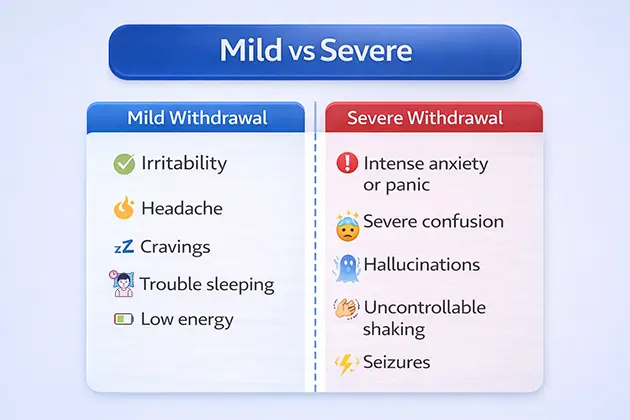
In some cases, withdrawal effects can get serious such as severe confusion, shaking, hallucinations, or seizures. These require immediate medical attention. Never ignore severe symptoms./p>
Different substances cause different reactions.
Let’s talk about one of the most common ones. “Nearly 50% of smokers who try to quit experience significant withdrawal symptoms.” - Centers for Disease Control and Prevention (CDC) Typical symptoms include irritability, strong cravings, difficulty concentrating, and increased appetite. This is where tools like Nicosure nicotine gums and lozenges can really help. They provide controlled relief and make the process more manageable.
Alcohol withdrawal can range from mild to severe including sweating, tremors, anxiety, and in serious cases, seizures or delirium. This type of withdrawal treatment often requires medical supervision.
Withdrawal from drugs varies widely but may include body aches, mood swings, sleep disturbances, and intense cravings. Each substance affects the brain differently, which is why withdrawal therapy is often personalized.
From here on, we’ll gently focus on understanding nicotine withdrawal symptoms and how they unfold.
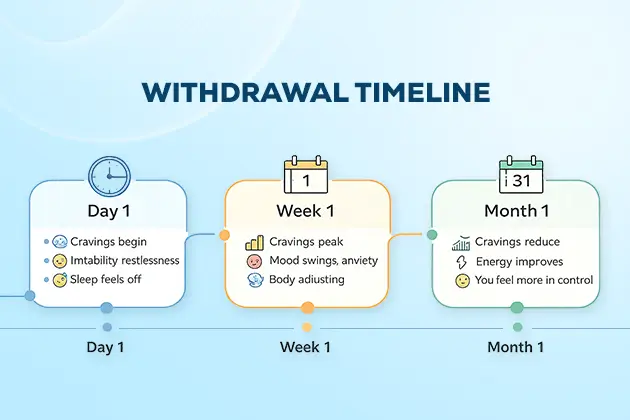
One of the biggest questions is, how long does this last? “Withdrawal symptoms typically begin within hours to a few days after stopping the substance and can last days to weeks depending on the drug and duration of use.” - American Psychiatric Association
This is when nicotine withdrawal symptoms begin. Cravings start, anxiety kicks in, and physical discomfort appears. It can feel overwhelming, but it’s temporary.
This is the toughest phase. Symptoms are strongest, cravings feel intense, and mood swings are common. This is where most people feel like giving up. But if you push through, things start getting better. Using aids like Nicosure Nicotine Gums and Lozenges during this phase can help take the edge off cravings.
Gradually, your body stabilizes. Nicotine cravings reduce, sleep improves, and mood becomes more balanced. You start feeling like yourself again.
You don’t have to go through this alone.
Structured programs provide medical monitoring, a safe environment, and guided recovery. These are especially useful for severe cases.
Certain medications can reduce withdrawal symptoms and cravings. This is commonly used in many forms of withdrawal treatment and can significantly improve success rates.
Therapy helps you understand triggers, build coping skills, and prevent relapse. It’s not just about quitting. It’s about staying quit.
Now let’s talk about real-life strategies.
Simple things can make a big difference like staying hydrated, eating balanced meals, getting enough rest, and keeping your hands and mind busy. Using Nicosure can also help manage sudden cravings without going back to the habit.
This is huge. Talk to friends or family, join support groups, and share your journey. You’re way more likely to succeed with support.
Watch out for warning signs such as severe confusion, uncontrollable shaking, hallucinations, or seizures. If any of these happen, seek medical help immediately. Some withdrawal effects are not meant to be handled alone.
Mild vs Severe Withdrawal Symptoms
Mild Withdrawal
Severe Withdrawal
Addiction withdrawal is tough, no doubt about it. But it’s also a sign that your body is healing. Understanding substance withdrawal symptoms, knowing the timeline, and using the right withdrawal therapy can make the journey much smoother. Whether it’s professional help, lifestyle changes, or tools like Nicosure, every step you take is progress. You’re not just quitting something. You’re rebuilding your system. And that’s powerful.




Your cart is empty
Browse Products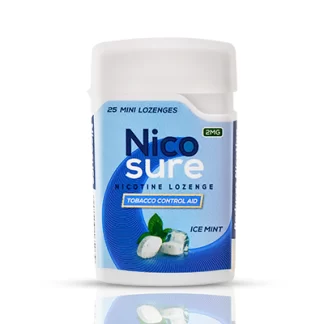
(200 pieces)
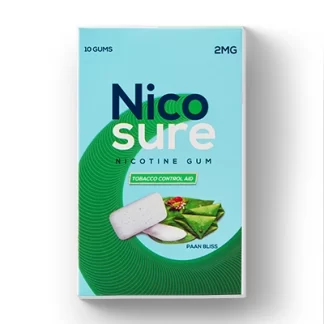
(60 pieces)

(160 pieces)