Up to 40% OFF + Get an extra 12% OFF. Use Code: DHAMAL12 | Shop Now !

May 7, 2026 0 Comments
Let's be honest. Tobacco and addiction go hand in hand, and it's not just about "habit" or "choice." It's something that slowly rewires your brain and makes quitting feel way harder than it should be.
"In India, 28.6% of adults (15 years and above) currently use tobacco in some form." - Global Adult Tobacco Survey
That's a massive number, which means if you're dealing with tobacco craving or trying to figure out tobacco treatment, you are definitely not alone. This guide breaks it all down in a simple, real way so you understand what's happening in your body and how to actually deal with it.
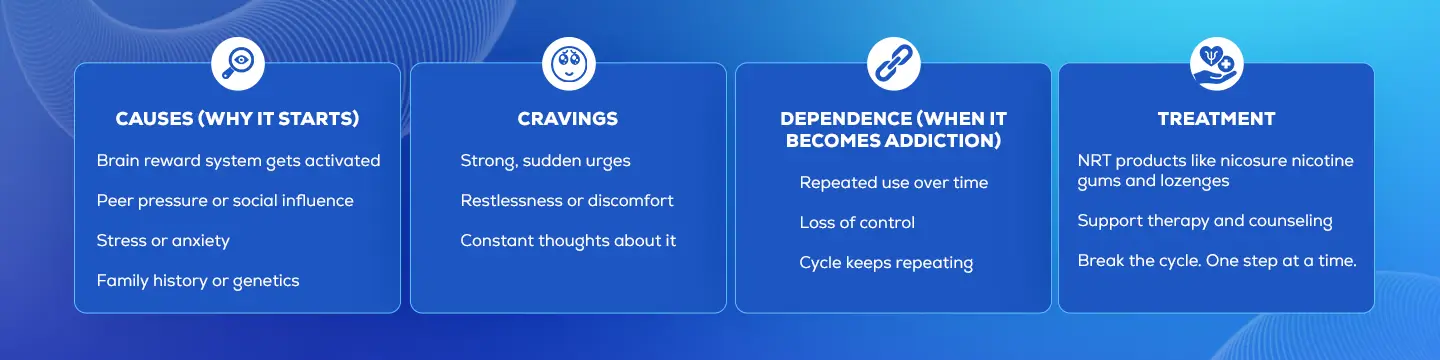
So, what is tobacco addiction really? It starts in the brain. When nicotine enters your system, it triggers the release of dopamine, the feel-good chemical. This creates a quick sense of relief or pleasure. Over time, your brain starts expecting this dopamine boost regularly. Without it, things feel off. That's where cravings begin.
Tobacco dependence is when your body and mind both rely on nicotine to function normally. It's not just about liking it anymore. It's about needing it to avoid discomfort. That's why quitting feels tough. Your brain has adapted to a new normal.
Understanding the cause of tobacco addiction makes everything less confusing.
Nicotine creates a reward loop. You use it, you feel better, your brain remembers that. Repeat that cycle enough times, and it becomes automatic.
It's not just chemical. It's behavioral too. You start linking certain activities with tobacco use like after meals, during breaks, or while feeling stressed. These patterns turn into habits that are hard to break.
People around you, places you visit, even certain times of day can act as triggers. These cues can instantly spark a tobacco craving without you even realizing why.
Cravings are the real challenge.
Cravings feel urgent because your brain is used to quick dopamine hits. When it doesn't get them, it sends signals that feel like a strong need.
"Nicotine withdrawal symptoms include irritability, anxiety, difficulty concentrating, and strong cravings." - Centers for Disease Control and Prevention
This is why tobacco craving can feel overwhelming at times.
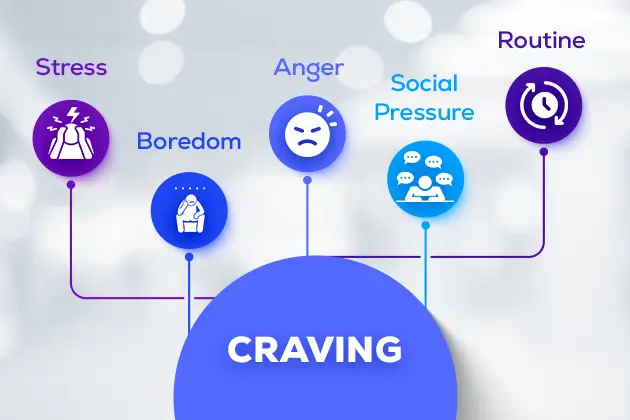
Some common triggers include stress, boredom, social settings, or even just routine moments like having tea or coffee. Recognizing these is key to managing them.
Here's something surprising.
"Many smokers report smoking to relieve stress, although nicotine can actually increase stress levels over time." - National Health Service
So what feels like relief is actually part of the cycle. Stress triggers use, and use reinforces dependence.
How do you know if it's more than just occasional use?
If you feel the need to use it multiple times a day or at specific intervals, that's a clear sign of tobacco dependence.
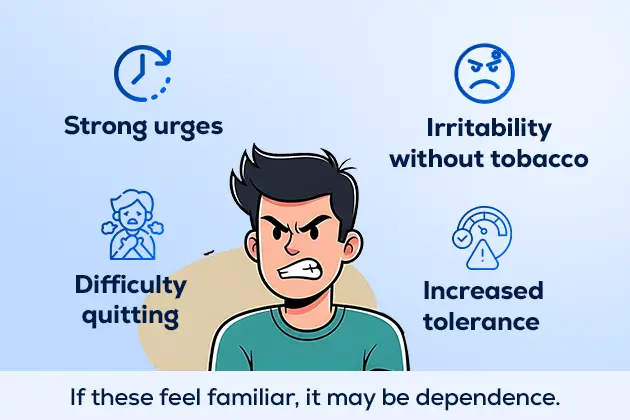
When you don't use it, you might feel irritated, restless, anxious, or unable to focus. These are classic signs your body is dependent.
If you've tried quitting but keep going back, that's not failure. It's a sign that your brain has developed dependence and needs structured support.
The good news is, tobacco dependence treatment is very much possible.
This is one of the most effective options. Products like Nicosure nicotine gums and lozenges help provide controlled nicotine without the harmful delivery method. They reduce cravings and make quitting more manageable.
This helps you understand your triggers and build strategies to deal with them. It's not just about stopping. It's about staying stopped.
In some cases, doctors may prescribe medications that reduce cravings or block the rewarding effects of nicotine.
Support groups or guided programs give you accountability and motivation. Sometimes just knowing others are going through the same thing helps a lot.
Let's get practical. Here's how to actually make tobacco treatment work in real life.
When a craving hits, don't panic. Try simple techniques like delaying for a few minutes, distracting yourself, or using Nicosure to ease the urge. Tobacco Cravings rise and fall like waves. You just need to ride them out.
Avoid known triggers in the beginning. Change routines if needed. For example, if a certain activity triggers use, replace it with something else like a short walk or a snack.
Focus on long-term changes. Exercise regularly, eat well, and manage stress in healthier ways. Using aids like Nicosure nicotine gums and lozenges can support your journey while your brain adjusts to a new normal.
Understanding tobacco and addiction is the first step to breaking free from it. Once you know how tobacco dependence works, the cravings and habits start making sense instead of feeling random.
Whether it's identifying triggers, using tobacco dependence treatment options, or building better routines, every step matters. Quitting is not about willpower alone. It's about strategy, support, and consistency. And yes, it's absolutely possible.




Your cart is empty
Browse Products
(200 pieces)

(60 pieces)

(160 pieces)