Up to 40% OFF + Get an extra 12% OFF. Use Code: DHAMAL12 | Shop Now !

July 25, 2026 0 Comments
Most people use nicotine believing it helps them “calm down.” A stressful day, an overwhelming situation, or anxious thoughts often push people toward tobacco or nicotine products for temporary relief.
But here is the surprising part:
Nicotine may feel calming in the moment, yet over time, it can actually make stress and anxiety worse.
To understand why, we first need to understand the real difference between stress and anxiety and how nicotine interacts with both.
People often use stress and anxiety interchangeably, but they are not exactly the same thing.
Understanding stress vs anxiety can help people recognize what they are actually experiencing and why nicotine feels temporarily comforting.
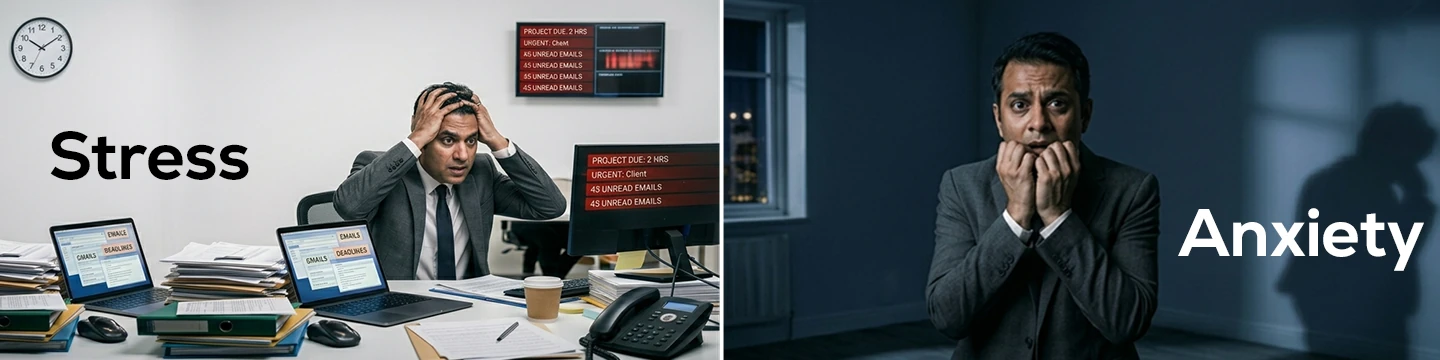
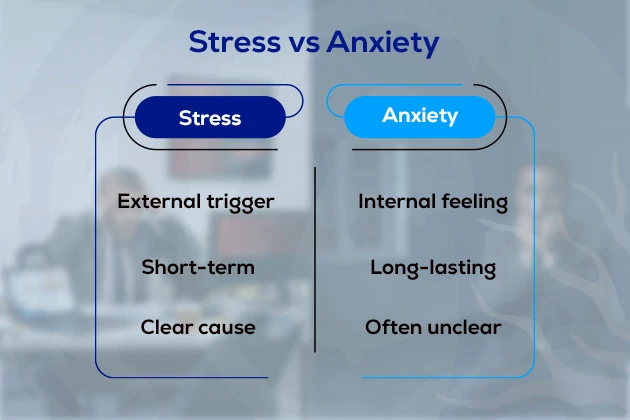
Stress is usually triggered by something outside of you.
Examples include:
Stress is the body’s response to external pressure. Once the situation passes, stress often reduces too.
Anxiety is more internal.
Even when there is no immediate problem, the mind may continue worrying, overthinking, or expecting something bad to happen.
Common signs of anxiety include:
The main difference between anxiety and stress is that stress is usually linked to a clear trigger, while anxiety can continue even after the trigger disappears.
This is where nicotine becomes tricky. It can temporarily numb uncomfortable feelings, but it does not solve the root cause.
Nicotine affects the brain very quickly.
Within seconds, it triggers the release of dopamine, a chemical linked to pleasure, reward, and motivation.
Dopamine creates a short-lived “feel good” sensation. The brain remembers this feeling and begins associating nicotine with comfort or relief.
This is why many people start reaching for tobacco during emotional moments.
Tobacco can create the illusion of relaxation because it briefly reduces withdrawal discomfort and stimulates reward pathways in the brain.
For a few moments, a person may feel:
But this effect does not last very long.
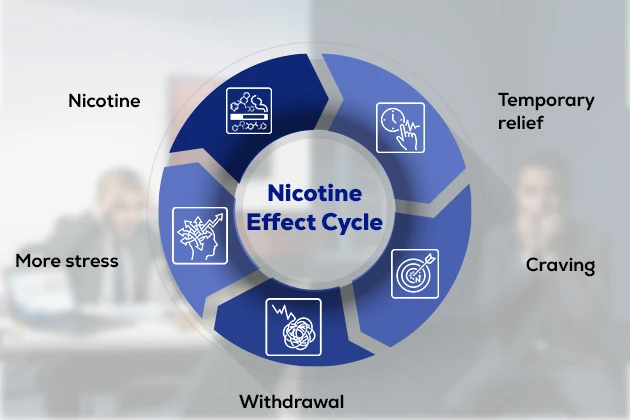
Once nicotine levels drop, the brain starts craving it again. That is when stress, irritability, and anxiety often return even stronger.
This is one of the most common misconceptions around tobacco.
Many people believe tobacco reduces emotional distress permanently, but the relief is usually temporary.
Tobacco can briefly distract the brain from uncomfortable emotions.
During stressful situations, this temporary dopamine boost may feel like relaxation or mental clarity.
That is why people often associate tobacco with:
“Nicotine may provide temporary relief, but it can increase stress and anxiety over time.” – National Health Service
Over time, tobacco trains the brain to depend on it for emotional regulation.
Instead of learning healthy coping mechanisms, the brain starts expecting tobacco whenever discomfort appears.
This creates:
So while tobacco consumption may appear calming at first, it often strengthens the very feelings people are trying to escape.
Tobacco does not simply affect mood in the moment. It changes how the brain responds to discomfort over time.
The cycle often looks like this:
Over time, the brain becomes stuck in this loop.
Instead of calming stress naturally, the person becomes dependent on tobacco to feel emotionally “normal.”
When nicotine levels drop, withdrawal symptoms begin.
These symptoms can include:
“Nicotine withdrawal symptoms include irritability, anxiety, and difficulty concentrating.” – Mayo Clinic, USA
“Withdrawal symptoms can include strong cravings, anxiety, irritable mood, restlessness, trouble focusing or sleeping, depression, frustration, anger, increased hunger, and constipation.” - Mayo Clinic, USA
This is why many people confuse nicotine withdrawal relief with genuine stress relief.
In reality, tobacco often creates the emotional discomfort it temporarily seems to solve.
Using nicotine replacement tools like Nicosure gums or lozenges can help people manage cravings more gradually, while reducing dependence on tobacco in a controlled way.
Tobacco affects more than cravings. It can also impact emotional balance and mental well-being.
Because nicotine changes dopamine activity, emotional states may fluctuate more frequently.
People can experience:
As dependency grows, even short gaps without tobacco may trigger irritation or agitation.
Small problems can start feeling much bigger than they actually are.
Over time, tobacco may reduce the brain’s ability to naturally manage stress and emotions.
Instead of processing emotions calmly, the brain starts depending on tobacco for quick relief.
This makes stressful situations feel even harder without it.
The good news is that the brain can relearn healthier coping methods.
If you are wondering how to reduce stress naturally, small lifestyle changes can make a big difference over time.
Slow breathing helps calm the nervous system.
Try this:
Even a few minutes can help reduce tension.
Movement helps release natural feel-good chemicals in the brain.
Walking, yoga, dancing, stretching, or exercise can all help reduce stress naturally.
Simple habits support emotional balance:
The brain functions better when the body is cared for consistently.
People often search for how to get rid of anxiety naturally because they want long-term calm, not temporary escape.
Healthy coping strategies help the brain feel safer and more stable over time.
Mindfulness helps bring attention back to the present moment instead of future worries.
Simple practices include:
Meditation trains the brain to slow down racing thoughts.
Even 5 to 10 minutes daily can improve emotional control and reduce anxious thinking.
The brain likes predictability.
Consistent sleep, meal times, movement, and breaks can help reduce anxiety naturally by creating stability.
Some people also find it easier to transition away from nicotine with support tools like Nicosure Gums and lozenges during high-craving situations.
There are many healthier ways to deal with stress and anxiety than relying on nicotine. While nicotine may make you feel better for a short while, over time your brain can begin to depend on it whenever you're feeling overwhelmed or emotionally drained. Activities like exercise, yoga, meditation, and spending time with friends and family can help reduce stress while supporting long-term emotional well-being.
Yoga combines movement, breathing, and mindfulness, helping reduce both stress and anxiety naturally.
Writing thoughts down helps process emotions instead of suppressing them.
Sometimes the mind feels lighter simply because thoughts are no longer trapped internally.
Talking to someone you trust can reduce emotional pressure significantly.
Support from friends, family, counselors, or support groups can make stressful periods feel far less overwhelming.
Tobacco may create temporary calm, but it does not solve stress or anxiety at the root level.
In fact, long-term tobacco dependence can increase emotional instability, cravings, irritability, and anxiety over time.
The good news is that healthier coping strategies work remarkably well. The brain can relearn how to manage emotions naturally without depending on nicotine.
“Quitting smoking can lead to reduced anxiety, depression, and stress levels.” – British Medical Journal




Your cart is empty
Browse Products
(200 pieces)

(60 pieces)

(160 pieces)