Up to 45% OFF + Get an extra 12% OFF. Use Code: DHAMAL12 | Shop Now !
Up to 45% OFF + Get an extra 12% OFF. Use Code: DHAMAL12 | Shop Now !

November 11, 2025 0 Comments
Kicking the tobacco habit is often painted as a battle with nicotine, but in reality, it’s also a battle with yourself. The real heroes of tobacco cessation are not just gums, patches, or therapies but the motivation to quit tobacco, the will power to quit tobacco, and the self control to quit tobacco.
Think of it like a mental gym. Every time you resist a craving, you’re doing a rep. Every time you say no to tobacco, you’re flexing your discipline. And just like any workout, it’s not about being perfect; it’s about showing up, pushing through, and gradually building your mental strength to quit tobacco.
So let’s dive into the psychology of quitting and see how your mind can be your strongest ally.
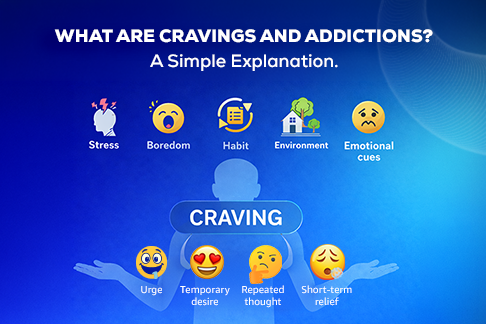
Physical withdrawal symptoms are temporary. The real challenge lies in dealing with emotional triggers like stress, boredom, or even social pressure. That’s where your mind steps in. Mental strength to control tobacco cravings is about training yourself to stay consistent, reminding yourself why you started, and keeping your end goals in sight.
With the right mindset, even the hardest craving lasts only a few minutes. With the wrong mindset, those same few minutes can feel like forever. Your brain has the power to turn the tide.
Motivation is like the spark that lights the fire. Without it, all the techniques in the world won’t help. With it, even the toughest days feel conquerable. There are different kinds of motivators, and they work differently for everyone.
For many, the motivation to quit tobacco starts with health scares. The wheezing after climbing a single flight of stairs, the cough that just won’t go away, or that stern warning from the doctor. But motivation can also be positive. Think glowing skin, fresher breath, saving money, or finally being able to run without gasping for air.
Nicosure nicotine gums can support this journey by easing cravings while you hold onto that motivation and channel it toward healthier lifestyle changes.
Sometimes, the strongest motivation to stop tobacco comes from people you love. Parents who want to live long enough to see their kids graduate. Partners who want to grow old together. Even personal dreams like traveling, hiking, or just waking up without a sore throat. These emotional goals can often outlast any quick fix.
If motivation is the spark, then willpower is the fuel. Will power to quit tobacco is what keeps you going when motivation feels shaky. And let’s be honest, there will be days when it feels easier to give in. That’s when willpower steps up.
Discipline is about creating systems, not relying on spontaneous energy. For instance, setting a quit date, keeping track of smoke-free days, or substituting your tobacco ritual with a healthier one like chewing sugar-free gum, deep breathing, or even a quick walk. Consistency builds momentum. Every small victory adds up, strengthening your mental strength to quit tobacco.
Triggers are sneaky. They can be anything from stress after work to a group of friends lighting up at a party. The trick is to anticipate them. Have a plan: carry Nicosure gums, sip water, or text a supportive friend. Will power to quit tobacco doesn’t mean avoiding temptation forever; it means learning how to face it without slipping back.
Here’s where things get interesting. Self control to quit tobacco is like a muscle. The more you exercise it, the stronger it gets. It’s about pausing, reflecting, and choosing long-term gains over short-term relief.

Mindfulness is a game-changer. By practicing breathing exercises, meditation, or even journaling, you teach your brain to respond rather than react. Instead of reaching for tobacco when stressed, you take a moment to center yourself. Stress is inevitable, but how you deal with it can be reshaped.
Simple stress hacks include:
These small acts help retrain the brain and enhance self control to quit tobacco.
Ever noticed how cravings feel stronger when you give them too much attention? Cognitive strategies involve reframing your thoughts. Instead of thinking, 'I need a smoke,' reframe it as, 'This craving will pass in a few minutes.'
Distraction also works wonders: call a friend, watch a funny video, or play a quick game on your phone. With practice, your brain learns to override the impulse. And that’s what real mental strength to quit tobacco looks like.

The journey to quitting tobacco is not just physical, it’s mental. Motivation to stop tobacco consumption gives you the reason, will power to quit tobacco gives you the drive, and self control to quit tobacco gives you the consistency to see it through.
Quitting is tough, but with the right mindset, it’s absolutely possible. Tools like Nicosure can ease the process, but the real magic lies in training your mind. Remember, every smoke-free day is not just a win for your body but a testament to your mind’s strength.



Your cart is empty
Browse Products
(30 pieces)

(24 pieces)

(50 pieces)

(36 pieces)