Up to 40% OFF + Get an extra 12% OFF. Use Code: DHAMAL12 | Shop Now !


March 5, 2026 0 Comments
Quitting tobacco is not just about willpower. If it were that easy, millions of people would not struggle with cravings, stress, and repeated relapses. Tobacco dependence affects both the body and the mind, making it a complex habit to break. This is where meditation plays a powerful role.
Meditation focuses on calming the mind while gently addressing the psychological grip of nicotine addiction. Meditation is more than a relaxation technique. It helps retrain the brain, manage cravings, and build emotional strength.
The connection between meditation and quitting tobacco lies in learning how to respond to cravings rather than reacting to them. When combined with the right support, including nicotine replacement options like Nicosure nicotine gums and lozenges, meditation can significantly improve your chances of quitting tobacco for good.
Let us explore how meditation can help you regain control and live tobacco-free.
Tobacco dependence is a condition where a person becomes addicted to nicotine, the main addictive substance found in tobacco products. Nicotine stimulates the brain to release dopamine, which creates feelings of pleasure and relief. Over time, the brain starts relying on nicotine to feel normal.
Tobacco dependence has two main components:
Tobacco dependence affects both mind and body. And meditation can help address both the mental and emotional side of addiction.
Meditation has a measurable impact on brain function. Scientific studies show that practicing regular meditation can change the way the brain responds to stress, cravings and impulses.
Meditation helps by:
By practicing meditation, you learn to pause and observe your cravings, rather than reacting to them automatically. This awareness is the foundation of the techniques that help you quit tobacco.
Cravings are one of the biggest challenges when quitting tobacco. Meditation helps reduce the intensity of cravings by calming the nervous system and lowering stress levels.
When it comes to quitting tobacco, meditation teaches you to sit with cravings without fear, allowing them to pass naturally. Mindfulness meditation teaches you to notice cravings without judging or fighting them. When you stop resisting cravings and simply observe them, they often lose their power faster.
During the early stages of quitting, many people find it helpful to combine meditation with nicotine replacement products such as Nicosure nicotine gums or lozenges. Guided meditation can be especially helpful when your cravings are at their peak.
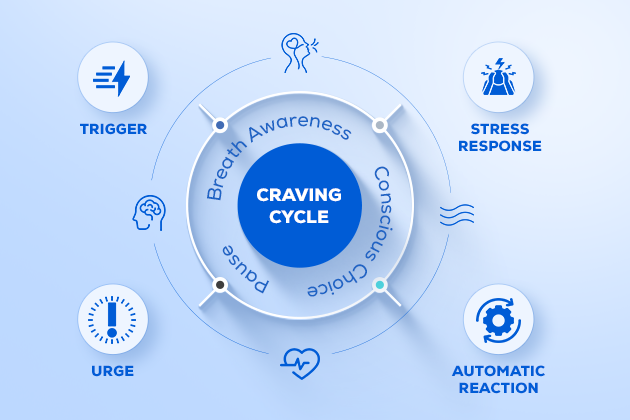
Stress, anxiety, frustration and boredom are common reasons people return to tobacco. Meditation builds emotional awareness and resilience, helping you recognize these feelings before they lead to relapse.
With regular meditation, tobacco users often experience:
Meditation as a tool to quit smoking strengthens emotional control, making it easier to resist habitual tobacco use. Over time, meditation helps you respond thoughtfully instead of reacting out of habit.
Quitting tobacco is a journey, not a one-off event. Meditation supports long term success by strengthening self-awareness and helping you identify triggers early.
Meditation helps you:
Regular meditation reduces the mental dependence that often leads to relapse. As meditation becomes a daily habit, the urge to rely on tobacco naturally fades.
Mindfulness meditation focuses on staying present in the moment. You observe your thoughts, feelings, and physical sensations without judgment.
For tobacco dependence, mindfulness meditation helps you:
Mindfulness is one of the most effective forms of meditation to quit smoking and long-term recovery.
Breathing meditation is simple and ideal for beginners. It involves focusing on slow, deep breathing to calm the mind and body.
Breathing meditation is especially helpful during intense cravings or moments of anxiety. It reduces heart rate, relaxes muscles, and creates a sense of control.
Breathing based meditation to stop tobacco cravings can reduce cravings within minutes.
Body scan meditation involves paying attention to different parts of the body, from head to toe, and consciously releasing tension.
For people quitting tobacco, body scan meditation can:
This technique supports your resolve to quit tobacco by calming physical withdrawal symptoms.
Starting meditation does not require special equipment or experience. The key is simplicity and consistency.
Helpful tips include:
Using guided meditation to help quit tobacco can make it easier for beginners to stay consistent. Meditation is a skill that improves over time, so consistency matters more than perfection.is a skill that improves over time, so consistency matters more than perfection.
Daily meditation provides the best results for tobacco cessation.
Daily meditation to quit tobacco creates lasting mental strength and resilience. As meditation becomes part of your routine, managing cravings becomes easier and more natural.

Breaking free from tobacco dependence is about changing both habits and mindset. Meditation empowers you to understand your cravings, manage stress and regain control over your choices.
Meditation creates a balanced approach to quitting tobacco that addresses both mind and body. When combined with the right support system and tools like Nicosure nicotine gums or lozenges, meditation can make your quit journey smoother and more sustainable.
Take a deep breath, stay consistent, and trust the process. A tobacco-free life is within reach.




Your cart is empty
Browse Products
(200 pieces)

(60 pieces)

(160 pieces)