Up to 40% OFF + Get an extra 12% OFF. Use Code: DHAMAL12 | Shop Now !

October 7, 2025 0 Comments
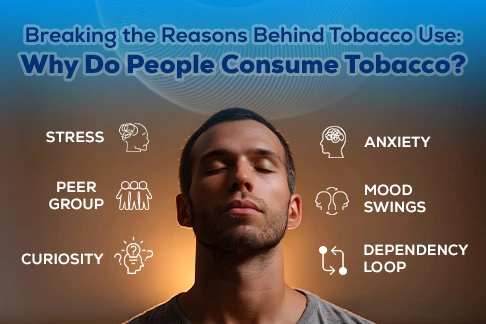
Tobacco has always carried a reputation as a "stress-buster" or "mood-lifter." Many people believe consuming tobacco helps calm the nerves. But here's the twist: what feels like relief might actually be fueling the very stress you are trying to escape. So, the big question is: Does Nicotine Cause Anxiety or does it really help manage it? Let's explore how nicotine affects the brain and why the link between tobacco and anxiety is more complicated than it looks.
Think of nicotine as a magician performing a clever trick. With one use, it creates the illusion of calm. But behind the curtain, your brain is getting trapped into a cycle of cravings and withdrawal.
According to CDC related data: heart.org, 45% of individuals with severe anxiety reported using tobacco versus 18% of people with little or no anxiety who used tobacco.
Research shows that people who use tobacco are more likely to experience stress symptoms than those who don't. This raises an important question many users ask: does nicotine cause anxiety or reduce it? The truth lies in the short-term versus long-term effects.
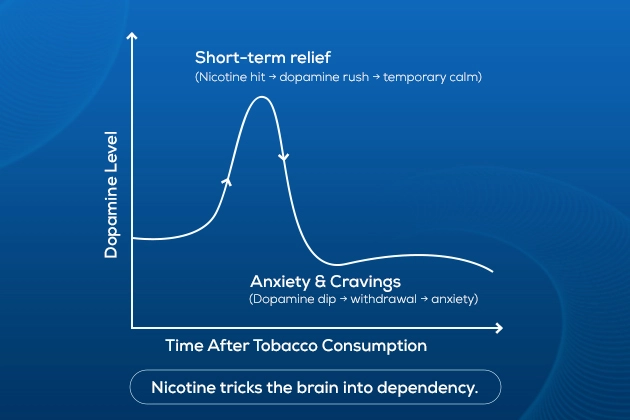
Let's answer it clearly. Does Nicotine Cause Anxiety? Yes, and here's why. Nicotine stimulates the release of dopamine, creating temporary pleasure. But it also activates stress pathways in the brain. As nicotine levels drop, your brain experiences withdrawal, which triggers anxiety.
This creates a loop: relief → drop → anxiety → craving → repeat.
Over time, this cycle trains your brain to stay in a heightened stress state. So while it may feel calming for a few minutes, nicotine cause anxiety in the long run.
Nicotine enters your bloodstream within seconds, reaches the brain, and releases dopamine. You feel relaxed for a short time. But once nicotine levels fall, your brain reacts. Irritability, restlessness, and anxious thoughts return.
It is not real calm. It is temporary relief from withdrawal.
A stressful moment may trigger the urge to use tobacco. It feels like it helps. But in reality, tobacco and anxiety are closely linked. Nicotine keeps your nervous system on edge, creating repeated highs and lows.
"Smokers are more likely than non-smokers to experience anxiety disorders." — Centers for Disease Control and Prevention
So while the relief feels real, it is actually part of the anxiety cycle.
This is where things get confusing. If nicotine increases stress, why does quitting feel worse initially?
The answer is withdrawal. When your body stops receiving nicotine, it reacts strongly. This leads many to ask, does quitting tobacco cause anxiety? Yes, but only temporarily.
Withdrawal symptoms can include restlessness, irritability, and heightened anxiety. But this phase passes as your brain resets.
Withdrawal-related anxiety usually begins within hours of stopping. It peaks within the first few days and gradually reduces over 2 to 4 weeks.
Over time, most people report feeling calmer than before quitting. So while the beginning is uncomfortable, the long-term outcome is improved mental balance.
Withdrawal can feel intense at first. Common symptoms include:
It may feel overwhelming, but this is your brain healing and adjusting.
Cravings are a major reason people struggle to quit. They feel sudden and powerful because your brain is used to quick dopamine hits.
"Nicotine withdrawal symptoms include irritability, anxiety, difficulty concentrating, and strong cravings." — Centers for Disease Control and Prevention
Triggers like stress, boredom, or routine can activate cravings instantly. This is why nicotine cause anxiety and cravings are so closely linked.
Sometimes it is hard to tell if anxiety is coming from life or nicotine. Look for these signs:
If this feels familiar, nicotine may be contributing to your anxiety.
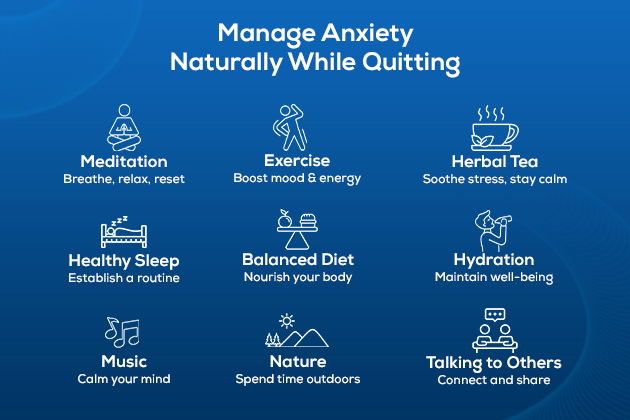
The good news is that anxiety can be managed while quitting.
"Smokers are more likely than non-smokers to experience anxiety disorders." — Centers for Disease Control and Prevention
Once withdrawal passes, most people feel more stable and less anxious.
Helpful strategies include:
Quitting becomes easier with the right approach.
Counseling and therapy provide guidance and accountability. Nicotine replacement therapies like Nicosure help reduce Nicotine withdrawal intensity and make the transition smoother.
There are many misconceptions about nicotine and anxiety.
Truth: "While nicotine may create short-term feelings of relaxation, this effect is temporary and often followed by withdrawal-related anxiety." — World Health Organization
Truth: Anxiety may rise temporarily but reduces significantly in the long run.
Truth: Nicotine can actually create or worsen anxiety over time.
So, Does Nicotine Cause Anxiety? The answer is yes. While it may provide short-term relief, it ultimately increases anxiety by creating a cycle of dependence and withdrawal.
Quitting may feel uncomfortable at first, but with the right strategies and support, anxiety reduces and mental clarity improves. Breaking free from nicotine is not just about physical health. It is about reclaiming peace of mind.




Your cart is empty
Browse Products
(200 pieces)

(60 pieces)

(160 pieces)