Up to 40% OFF + Get an extra 12% OFF. Use Code: DHAMAL12 | Shop Now !

May 7, 2026 0 Comments
Let's be real for a second. Addiction is not just a "lack of willpower" problem. It's way deeper than that. And it's way more common than we like to admit.
"According to the Global Adult Tobacco Survey (GATS-2, India 2016–17), around 38.5% of smokers attempted to quit tobacco in the past 12 months." - Global Adult Tobacco Survey (GATS-2)
That's a huge number. Which means if you're struggling with cravings or trying to figure out how to stop addiction, you are definitely not alone.
This blog is your no-nonsense guide to understanding addiction, spotting addiction signs, and learning how to actually manage addiction and reduce craving in real life.
At its core, addiction is when your brain starts depending on something to feel normal. It could be a substance, a habit, or even a behavior. What starts as a choice slowly becomes something you feel like you need.
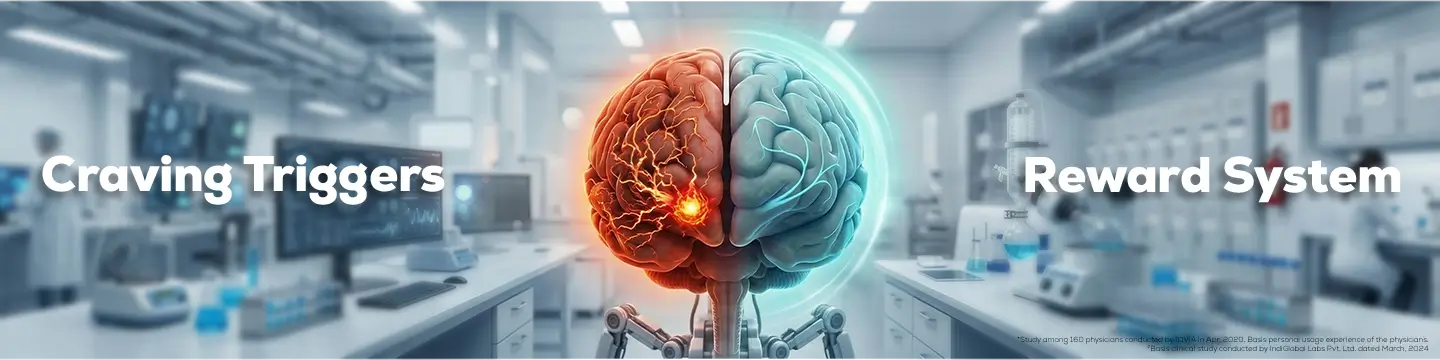
Here's where it gets interesting. Your brain has a reward system. Whenever you do something pleasurable, it releases dopamine, the feel-good chemical.
"Nicotine activates the brain's reward pathways, increasing dopamine levels and reinforcing repeated use." - National Institute on Drug Abuse (NIDA)
Over time, your brain starts linking that substance or habit with pleasure. Eventually, it stops being about feeling good and becomes about avoiding feeling bad.
Most people experience a mix of both.
Recognizing addiction signs early can save you a lot of struggles later.
If these feel familiar, it's time to start thinking about how to manage addiction before it takes deeper control.
Cravings are the trickiest part. They show up uninvited and feel intense.
Your brain remembers the dopamine hit and wants it again. That's why cravings feel urgent, almost like your brain is demanding it.
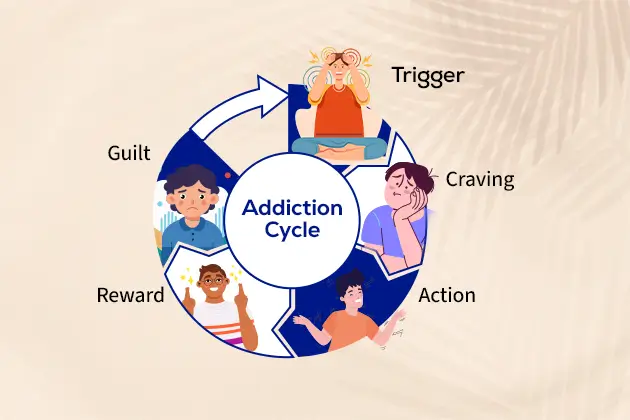
Cravings don't just appear randomly. They are usually triggered by:
This is called a habit loop: trigger → craving → action → reward.
Stress, boredom, anxiety, loneliness. These are huge triggers. Sometimes the craving is not even about the substance. It's about escaping a feeling.
Let's get practical. Here's how to manage cravings when they hit.
"Using evidence-based cessation tools such as counseling and medication can more than double the chances of quitting successfully." - World Health Organization
So yes, help works. And combining strategies works even better.
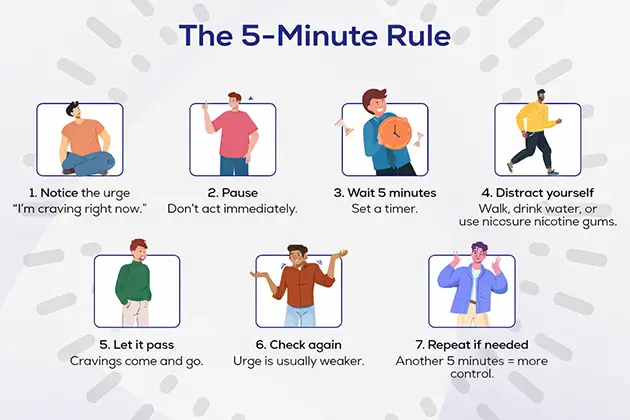
Cravings usually peak and pass. You just need to ride it out smartly.
Tell yourself: "I'll wait 5 minutes."
Most cravings lose intensity if you delay. This tiny pause can break the automatic reaction.
Instead of fighting the craving, observe it.
Think of it like a wave. It rises, peaks, and falls. You don't need to act on it. Just let it pass.
Replace the habit with something else:
These alternatives help reduce craving without giving in.
If you're serious about how to stop addiction, here's a simple roadmap.
Start noticing patterns. When do cravings hit hardest? What are you feeling at that time?
Awareness is your first weapon.
You don't have to do this alone.
Accountability helps more than you think.
Therapists, counselors, and doctors can guide you with proven methods.
Don't hesitate. Getting help is not weakness. It's strategy.
Small changes make a big difference:
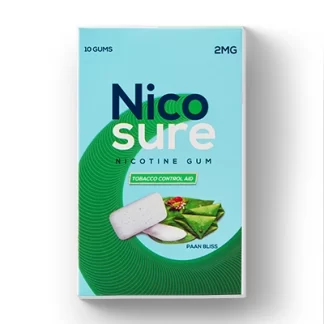
And yes, using tools like Nicosure nicotine gums or lozenges can support your transition and make cravings easier to handle.
Short-term hacks are great. But long-term change is the goal.
Since stress is a major trigger, find healthier ways to deal with it:
Structure your day. Idle time often leads to cravings.
Plan your day so your mind stays engaged.
Mindfulness helps you become aware of urges without reacting.
Exercise releases natural dopamine, which helps balance your brain over time.
Even 20 minutes a day can help reduce craving significantly.
Sometimes, self-help is not enough. And that's okay.
At this point, professional guidance can make all the difference.
Understanding addiction is the first step to breaking free from it. Once you know how cravings work, they become less scary and more manageable.
Whether it's using techniques like urge surfing, building better routines, or using aids like Nicosure, every small step counts.
Remember, you are not fighting your willpower. You are retraining your brain. And that takes time, patience, and consistency.




Your cart is empty
Browse Products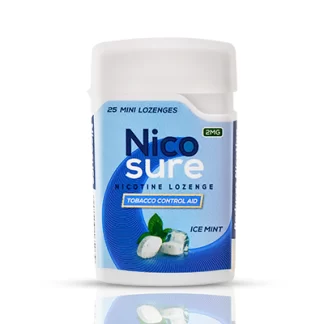
(200 pieces)
(60 pieces)

(160 pieces)