Up to 40% OFF + Get an extra 12% OFF. Use Code: DHAMAL12 | Shop Now !


March 13, 2026 0 Comments
Many people search online for what are cravings or even type what is tobacco addiction when they struggle to quit. The confusion is understandable. Cravings feel intense. Addiction feels personal. But both have clear biological and behavioral explanations.
This guide offers cravings explained in simple, clinical terms. It also clarifies addiction causes, the causes of cravings, the different types of cravings, and practical strategies for how to manage cravings and how to manage addiction effectively during a quit journey.
Understanding the mechanism reduces fear. When you know what is happening, you can respond acwith structure instead of impulse.
If you are asking what cravings are, the answer is straightforward. A craving is a temporary urge triggered by changes in brain chemistry and environmental cues.
When nicotine enters the body, it releases dopamine. Over time, the brain links specific situations to that dopamine reward. Eventually, the situation alone can trigger desire.
Fact: Most nicotine cravings peak within 3 to 5 minutes and decrease if not acted upon.
So what does this mean? Cravings are time limited responses. They are uncomfortable, but they pass.
Understanding the causes of cravings helps prevent relapses.
The main causes include:
These causes of cravings activate learned neural pathways. The brain anticipates relief before nicotine is consumed.
So what is the implication? If cravings are predictable, they can be managed strategically.

Many people type what is addiction because they want clarity. Clinically, addiction is a repeated pattern of substance use despite harm, reinforced by changes in brain structure and behavior.
Clinical fact: Withdrawal symptoms can begin within 2 to 4 hours after the last nicotine exposure.
Over time, nicotine is used not for pleasure but to avoid discomfort. This shift marks established addiction.
So what does this mean? Addiction is not about weakness. It is about brain adaptation.
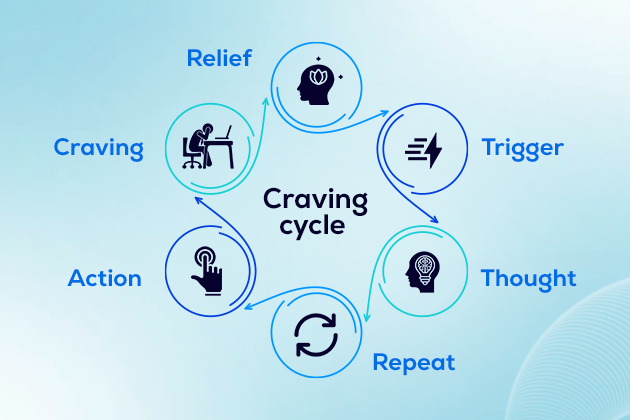
Understanding the types of cravings improves quit planning.
There are two main types of cravings:
Physical cravings occur when nicotine levels drop. These are strongest during the first 72 hours.
Emotional cravings are linked to stress, routine, and environmental cues. These may persist for longer.
Problem: Withdrawal creates instability.
Behavior: The individual returns to nicotine to reduce discomfort.
Solution: Stabilising withdrawal reduces relapse risk.
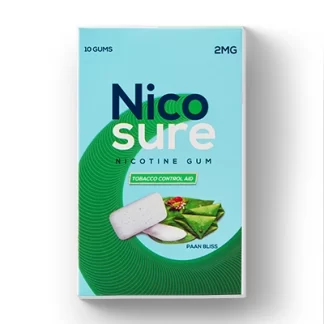
This is where structured nicotine replacement therapy supports the process. Products such as Nicosure nicotine gums or lozenges provide controlled nicotine without exposure to harmful tobacco toxins. This helps manage physical cravings while behavioral work addresses emotional triggers.
So what does this achieve? It separates chemical withdrawal from habit change, improving quit stability.
To have cravings explained clearly is to understand that they are symptoms, not failures.
Most relapse events occur in the first week due to unmanaged withdrawal. This is when physical cravings are strongest.
After the first two to four weeks, emotional triggers become the primary challenge.
So what is the takeaway? Early stabilization and long-term behavioral change must work together.
If you are searching for how to manage cravings, the answer involves both biology and behavior.
Effective strategies include:
Clinical insight: Structured nicotine replacement can significantly increase quit success chances compared to unaided attempts.
When cravings are expected and planned for, their intensity decreases.
Learning how to manage addiction requires a broader approach.
Managing addiction involves:
Addiction management is not a single action. It is a systematic process.
So what is the practical message? Addiction improves when both the brain and behavior are addressed together.
Cravings explained properly remove much of the fear around quitting. What are cravings becoming a scientific question, not a personal weakness. What is addiction becomes a matter of brain adaptation, not identity.
Understanding addiction causes, the causes of cravings, and the different types of cravings provide clarity. Knowing how to manage cravings and how to manage addiction gives structure to the quit journey.
Cravings are temporary. Addiction is treatable. Strategy determines success.




Your cart is empty
Browse Products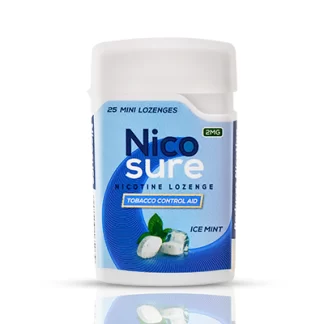
(200 pieces)
(60 pieces)

(160 pieces)