Up to 40% OFF + Get an extra 12% OFF. Use Code: DHAMAL12 | Shop Now !


March 5, 2026 0 Comments
Quitting nicotine can feel like a battle between your body and your mind. Cravings hit hard, moods swing unexpectedly, and stress levels seem to spike at the worst possible moments. While many people rely only on willpower, there is a calmer, more natural path that works with your body instead of against it - yoga.
Yoga and quitting tobacco go hand in hand, because yoga supports both physical withdrawal and mental resilience. Yoga is not just about flexibility or fitness. It is a powerful mind-body practice that helps regulate cravings, calm the nervous system, and restore balance during nicotine withdrawal. When practiced consistently, yoga can make the tobacco quitting journey smoother, more mindful and, surprisingly, empowering.
Let us explore how yoga can help you quit nicotine naturally and sustainably.
Nicotine addiction thrives on stress, emotional triggers and automatic habits. Yoga directly addresses all three.
Yoga combines movement, breath control and mindfulness. This combination helps reduce dependency by improving self-awareness and emotional regulation. Yoga to help quit tobacco helps you pause during cravings instead of reacting automatically. Instead of reacting to cravings, yoga teaches you to pause, breathe and choose a healthier response.
Yoga is also accessible. You do not need expensive equipment or years of experience. Whether you are a beginner or returning to practice, yoga can adapt to your pace and support you throughout nicotine withdrawal.
Nicotine stimulates the nervous system, creating short bursts of alertness followed by withdrawal symptoms like restlessness and anxiety. Yoga helps reverse this cycle by activating the parasympathetic nervous system, also known as the relaxation response.
Through slow movements and controlled breathing, yoga lowers heart rate, reduces muscle tension and signals safety to the brain. The connection between yoga and tobacco recovery lies in calming the nervous system and reducing stress-driven cravings. When the nervous system is calm, cravings naturally feel less intense and more manageable.
Many people notice that a short yoga session can take the edge off cravings just as effectively as other coping strategies.
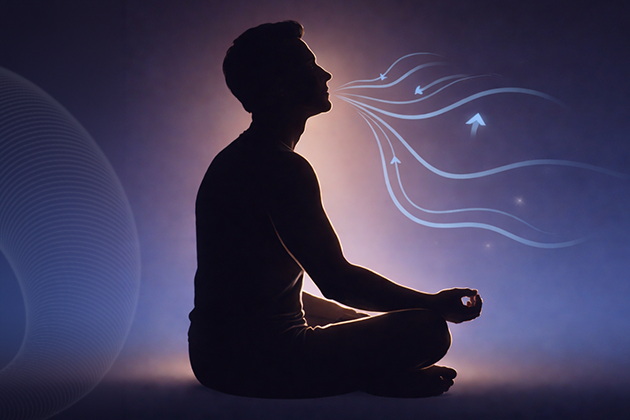
Mood swings and anxiety are common during nicotine withdrawal. Yoga helps stabilize emotions by increasing the release of feel-good neurotransmitters like serotonin and dopamine.
Regular yoga practice has been shown to:
Yoga and quitting tobacco are closely linked because emotional stability reduces reliance on nicotine for relief. When your mood is stable, the urge to reach for nicotine as emotional relief decreases significantly.
Pranayama is one of the most powerful yoga tools for quitting nicotine. Breathing exercises directly influence the nervous system and can stop cravings in their tracks.
Some effective pranayama techniques include:
Practicing pranayama for just five minutes during a craving can help you regain control without resorting to tobacco.
Certain yoga poses support detoxification and helps the body flush out nicotine-related toxins. These poses also improve circulation, digestion and lung function.
Helpful poses include:
Your resolve to quit tobacco benefits greatly from yoga poses that improve lung function and detoxification. These poses not only support physical detox but also reduce the physical discomfort associated with nicotine withdrawal.
Meditation is a core part of yoga and a powerful ally when quitting nicotine. It trains the mind to observe cravings without acting on them.
Guided relaxation techniques such as body awareness and breath focused meditation help reduce impulsive behaviour. Yoga and quitting tobacco become more effective when meditation is practiced consistently. Over time, meditation builds patience and strengthens your ability to sit with discomfort, without needing tobacco as a coping mechanism.
Sleep disturbances are common when quitting nicotine. Yoga helps regulate sleep cycles by calming the mind and releasing physical tension.
Regular practice can lead to:
Better sleep makes it easier to handle cravings and stay committed to quitting.
Irritability is one of the most challenging withdrawal symptoms. Yoga helps release pent-up tension stored in the body and improves emotional regulation.
With consistent practice, many people experience:
Yoga and tobacco cessation efforts work together to reduce relapse triggered by emotional stress. This emotional stability reduces the temptation to relapse during stressful moments.
You do not need long or intense sessions to see benefits. A simple and consistent routine works best.
A beginner friendly daily yoga plan may include:
This short routine can be done at home and adjusted as your comfort grows.
Yoga works best when combined with additional support strategies. While yoga addresses mental and emotional dependence, physical cravings may still arise during early withdrawal.
Many people successfully pair yoga with nicotine replacement options like Nicosure nicotine gums or lozenges. Combining yoga to quit tobacco with supportive tools increases long term success rates.
Using multiple supportive tools increases your chances of quitting nicotine successfully and staying nicotine free.
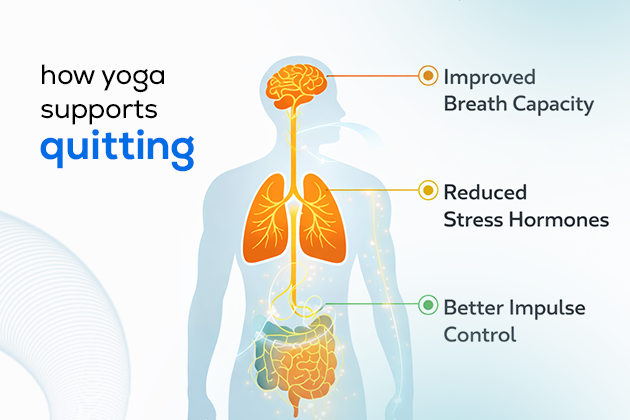
Quitting nicotine naturally is not about forcing yourself to stop. It is about creating a healthier relationship with your body and mind. Yoga offers a gentle, yet powerful way to do exactly that. By calming the nervous system, improving emotional balance and increasing self-awareness, yoga helps you move through nicotine withdrawal with more ease and confidence. Yoga helps create a sustainable and long-term path to freedom from tobacco. When combined with supportive tools like Nicosure nicotine lozenges when needed, yoga can transform the quitting journey into a positive lifestyle change.
Take a deep breath, roll out your mat and trust your body’s ability to heal. A nicotine-free life is closer than you think.




Your cart is empty
Browse Products
(200 pieces)

(60 pieces)

(160 pieces)