Up to 40% OFF + Get an extra 12% OFF. Use Code: DHAMAL12 | Shop Now !


January 21, 2026 0 Comments
When people talk about tobacco, health usually takes center stage. But there is another side that quietly drains your life every single day: money. From daily spends to long-term losses, the link between money and tobacco is stronger than most people realize.
If you have ever wondered how tobacco impacts your finances, this article breaks it down in a simple, relatable, and eye-opening way. Spoiler alert: quitting does not just help your body, it seriously helps your bank balance too.
Tobacco products rarely feel expensive in the moment. A small daily purchase seems harmless, almost routine. But those small amounts add up quickly.
The real cost is not just what you spend at the counter. It includes impulse purchases, emergency spending during cravings, and even money spent trying to “balance out” the habit with comfort food or stress shopping.
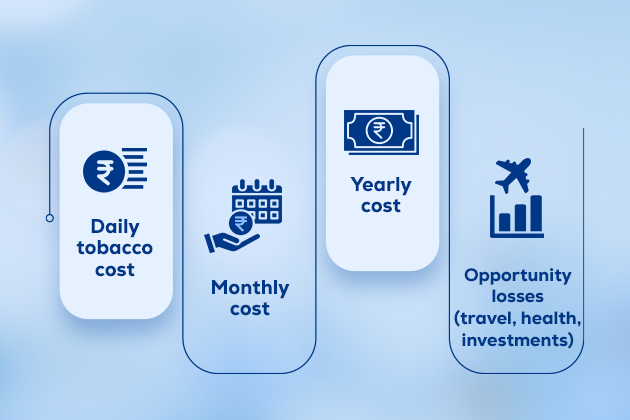
Over time, spending money around tobacco becomes so normalized that people stop questioning it. This is when the financial damage quietly accelerates.
Short-term spending is only part of the story. The long-term financial impacts of tobacco can shape everything from savings to lifestyle choices.
Money spent on tobacco products is money not spent on travel, hobbies, education, fitness, or investments. Over the years, this trade-off becomes significant and often invisible until you finally do the math.
Let us break it down further.
Daily spending feels small, but monthly totals tell a different story. Even modest daily use can translate into a surprisingly high monthly expense.
When you calculate yearly spends, the numbers often shock people. That money could easily cover rent portions, gym memberships, gadgets, or emergency savings.
Many people find that switching to Nicotine quitting aids like Nicosure nicotine gums and lozenges during the transition phase costs far less than ongoing tobacco use, making it a smarter short-term investment toward long-term savings.
Long-term losses go beyond direct spendings. Regular tobacco use often leads to higher insurance costs, reduced work productivity, and missed financial opportunities.
Nicotine intake can also affect career growth. Frequent breaks, reduced focus, and energy dips can impact performance over time. These subtle effects, influence income potential in ways that people rarely connect back to tobacco.
When you look at the full picture, the financial drain becomes very difficult to ignore.
There is a strong connection between tobacco behaviors and finance. Nicotine dependency often encourages impulsive decision-making. When cravings hit, financial logic tends to take a back seat.
This behavior can spill into other areas of life, like unplanned spending or prioritizing short-term comfort over long-term goals. Over time, this pattern reinforces poor financial habits.
Breaking free from tobacco often brings greater awareness, discipline, and control, not just over health, but over money too.
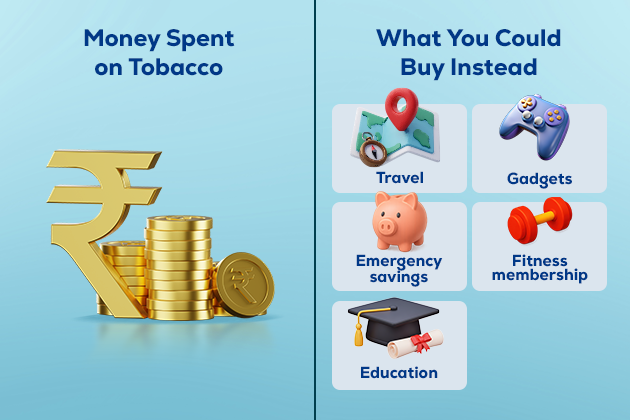
Quitting tobacco creates instant financial relief. From day one, money stays in your wallet instead of disappearing into a habit.
One of the most motivating benefits is seeing how much money saved by not using tobacco adds up. Many people redirect these savings toward travel, fitness, hobbies, or investments that improve quality of life.
Using supportive tools like Nicosure nicotine gums and nicotine lozenges can help manage tobacco cravings during the quitting phase without continuing the cycle of constant spending. Over time, both dependency and expenses drop significantly.
Quitting also improves budgeting discipline. When you stop spending around tobacco, your financial decisions become more intentional and empowering.




Your cart is empty
Browse Products
(200 pieces)

(60 pieces)

(160 pieces)