Up to 40% OFF + Get an extra 12% OFF. Use Code: DHAMAL12 | Shop Now !


January 21, 2026 0 Comments
Quitting tobacco is a big win. Staying tobacco-free is the next challenge. Many people find that after the initial excitement fades, old habits try to sneak back in. A tobacco relapse does not mean you failed. It means your brain is adjusting and needs better strategies.
The good news is that relapse is preventable. With the right mindset, tools, and habits, you can protect your progress and stay confidently tobacco-free. Let us break it down in a simple, practical, and realistic way.
Tobacco relapse happens when someone returns to using tobacco products after quitting. It can occur days, weeks, or even months after quitting. Sometimes it starts with a single use, followed by guilt, followed by regular use again.
A relapse after quitting tobacco is surprisingly common. It usually has more to do with habits and emotional triggers than lack of willpower. Understanding this removes shame and helps you focus on prevention instead of self-blame.
Relapse is not a character flaw. It is part of the learning curve for many people on their quit journey.
Relapse rarely comes out of nowhere. It usually builds quietly through specific triggers and situations.
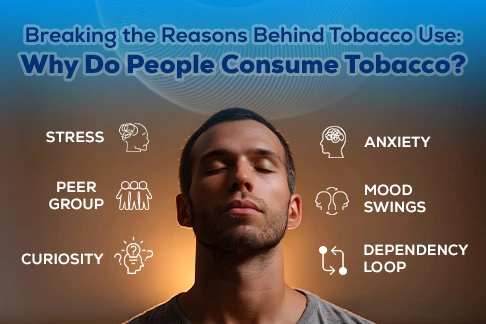
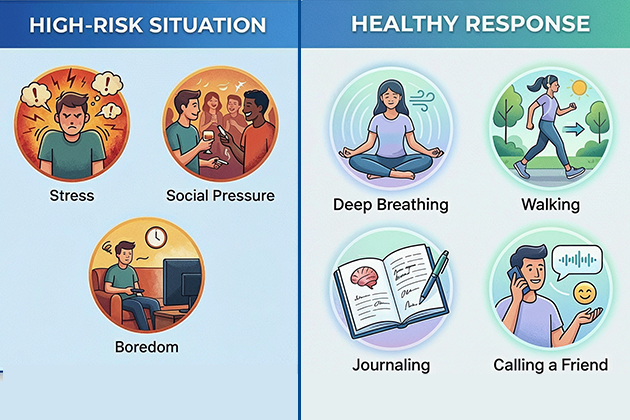
Stress is a major one. Tough days, emotional overload, or sudden life changes can weaken resolve. Social settings can also play a role, especially when tobacco use feels familiar or comforting. Boredom, fatigue, and overconfidence are other common causes.
Another key reason for relapse in tobacco is underestimating cravings. Many people expect cravings to disappear completely, but they can reappear unexpectedly. Being unprepared for these moments makes relapse more likely.
Avoiding relapse is about staying proactive, not fearful. The goal is to stay one step ahead of triggers and cravings.
Build daily routines that support your quit decision. Eat well, stay active, and prioritize sleep. When your body feels balanced, cravings feel easier to manage. Keep reminding yourself why you quit and what you have already gained.
Support tools can also make a difference. Many people use Nicosure nicotine gums and lozenges during high-risk moments to manage urges without turning back to tobacco products.
Triggers are personal. What tempts one person might not affect another. That is why self-awareness is key.
Start noticing patterns. Do cravings show up during stress, after meals, during social situations, or when you feel bored? Write these down mentally or in a journal. Once you identify triggers, you can plan alternatives.
For example, if stress is a trigger, practice deep breathing or quick walks. If oral habits are a challenge, keeping Nicosure nicotine gums or lozenges handy can help redirect that urge in a controlled way.
Tobacco cravings are uncomfortable but temporary. Most urges peak and fade within minutes if you do not act on them.
Use the delay technique. Tell yourself to wait ten minutes before doing anything. Distract yourself with a task, music, or movement. Hydration also helps more than people expect.
Having a plan matters. When cravings hit, decision-making becomes harder. Knowing exactly what you will do instead keeps you in control. Cravings lose power when you respond calmly and consistently.
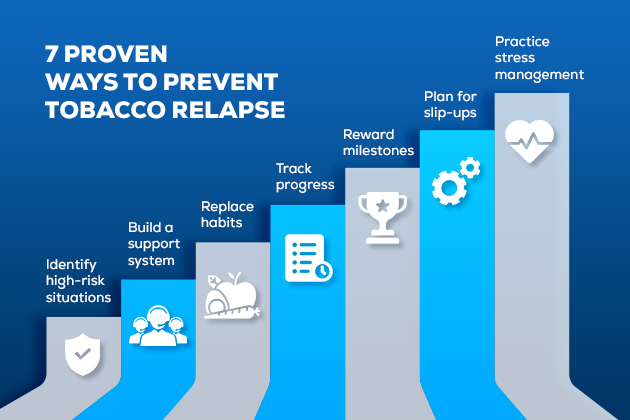
Prevention works best when it combines mental, behavioral, and practical strategies.
Stay connected to your quit motivation. Revisit your reasons often. Celebrate milestones, even small ones. Each tobacco-free day strengthens your confidence.
Avoid testing yourself unnecessarily. Early on, staying away from high-risk situations is smart, not weak. Gradually, confidence grows and these situations become easier.
Using structured support like Nicosure nicotine gums and lozenges can also help bridge the gap between cravings and long-term freedom, especially during emotionally intense moments.
If relapse happens, pause before judging yourself. One slip does not erase all progress. What matters is what you do next.
Reflect calmly. What triggered it? What were you feeling? What could help next time? Treat relapses as information, not failure.
Restart immediately. Do not wait for a “perfect” time. Recommit to your plan, adjust where needed, and move forward. Many long-term success stories include setbacks along the way.
Long-term success comes from lifestyle changes, not constant resistance.
Build new identities and routines that do not include tobacco products. Exercise, hobbies, social connections, and creative outlets all reduce reliance on old habits. The fuller your life feels, the less appealing relapse becomes.
Stay flexible. Challenges change over time, so your strategies should too. Check in with yourself regularly and adapt as needed. Staying tobacco-free is a journey, not a finish line.




Your cart is empty
Browse Products
(200 pieces)

(60 pieces)

(160 pieces)