Up to 40% OFF + Get an extra 12% OFF. Use Code: DHAMAL12 | Shop Now !

December 15, 2025 0 Comments
When people think about tobacco, cigarettes usually steal the spotlight. The smoke rings, the flick of a lighter, the cinematic exhale. But there’s another form of tobacco that skips the smoke altogether.
Enter smokeless tobacco, the chew, snuff, or dip you pop into your mouth instead of lighting up. Sounds safer? Not quite. While it may seem harmless, ‘smokeless’ definitely doesn’t mean ‘risk-free.’ Let’s unpack what it is, why it hooks people, and what it really does to your body.
Smokeless tobacco includes a wide range of products like chewing tobacco, snuff, snus, gutka, khaini, zarda, and mishri, especially common in India. These are made by curing and grinding tobacco leaves, then mixing them with flavorings, sweeteners, and sometimes areca nut (which adds another layer of risk).
Instead of inhaling, users chew or tuck it inside their mouth, allowing nicotine to absorb through gum tissues. But while you skip the smoke, you definitely don’t skip the danger.
The reasons are easy to relate to:
But what starts casually often becomes addiction, because nicotine has one job, to keep you coming back.
Let’s get real, nicotine is powerful. It floods your brain with dopamine, giving a short-lived high. Soon, your body demands more, creating dependence.
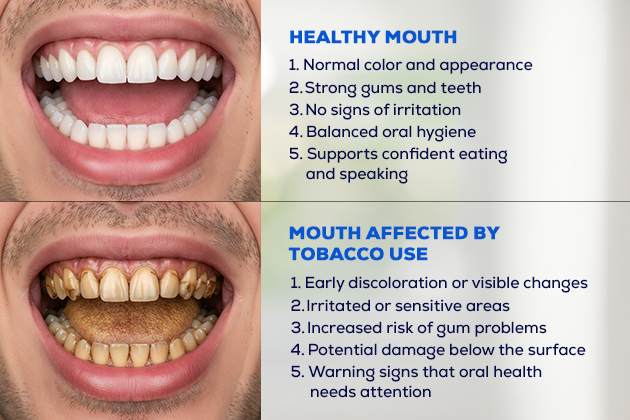
Source: tobaccoatlas
According to a 2023 WHO report, smokeless tobacco contains over 25 known cancer-causing chemicals, including tobacco-specific nitrosamines (TSNAs), some of the most potent carcinogens known.
Here’s what long-term users often experience:
Why do people find it so hard to quit?
Because nicotine changes how your brain rewards itself. You start associating chewing with comfort, relief, or focus, and that’s the trap.
Other factors include:
In reality, it only feeds addiction and increases health risks.
Beyond oral cancer, the list of side effects keeps growing. As per the Global Adult Tobacco Survey (GATS 2, India 2016-17), about 267 million Indian adults use tobacco, and many face related health issues.
Common side effects include:
And perhaps the sneakiest effect? Routine dependence, that ‘after-meal dip’ slowly becomes an all-day companion.
Short answer: No. Long answer: Still no, but there’s hope.
The Ministry of Health and Family Welfare (MoHFW) and the Indian Council of Medical Research (ICMR) warn that even occasional use increases the risk of oral, throat, and pancreatic cancers.
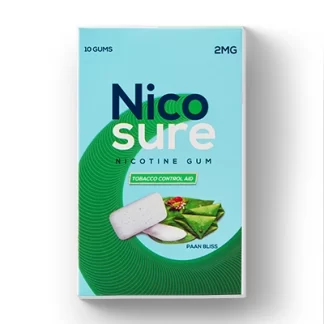
That means using nicotine gum or lozenges under guidance can make quitting smoother and safer.
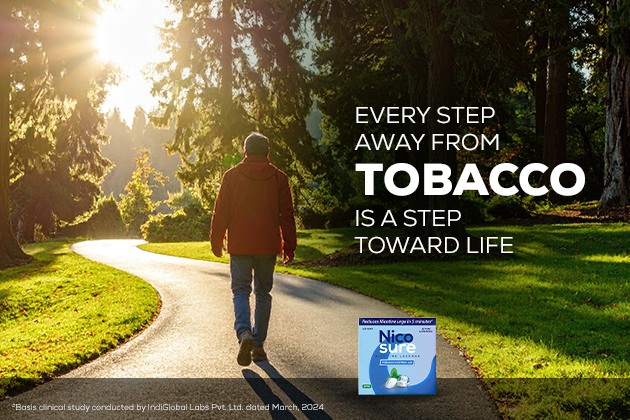
Smokeless tobacco may seem harmless because there’s no smoke cloud, but the damage it does is anything but invisible. From gum disease to life-threatening cancers, it’s a slow, quiet risk that builds over time.
The bright side? Quitting tobacco works, and your body starts healing within days. Your taste returns, your breath freshens, and your gums start to recover.
So, next time someone offers a pouch or gutka, remember: being smokeless doesn’t mean being safe.




Your cart is empty
Browse Products
(200 pieces)
(60 pieces)

(160 pieces)